 Elaine Gordon
A really satisfying breakfast sets the tone for your entire day—I learned that growing up watching my mom prepare full, nourishing meals before school. These healthy breakfast burritos bring that same philosophy into a portable, freezer-friendly package. They’re loaded with lean protein, vegetables, and whole grains, making them perfect for busy mornings or meal prep. If you’re looking for other make-ahead breakfast options, our Almond Butter Overnight Oats Recipe pairs beautifully with this as part of a rotating breakfast lineup.
Why I Created This Burrito for Real-Life Mornings
I remember my aunt would arrive at family brunches with a stack of foil-wrapped burritos, and everyone would crowd around them. What impressed me most wasn’t just that they tasted incredible—it was that she’d made them days ahead, and they still felt fresh and satisfying. As a registered dietitian, I wanted to recreate that magic with a version that balances my nutritional values: whole ingredients, adequate protein, plenty of vegetables, and nothing processed or confusing.
That’s exactly what these burritos deliver. They contain about 28 grams of protein per burrito, which keeps you full through mid-morning. The combination of whole eggs, egg whites, lean sausage, and fiber-rich vegetables creates sustained energy without the blood sugar spike you’d get from a typical breakfast sandwich.
What Is a Healthy Breakfast Burrito?
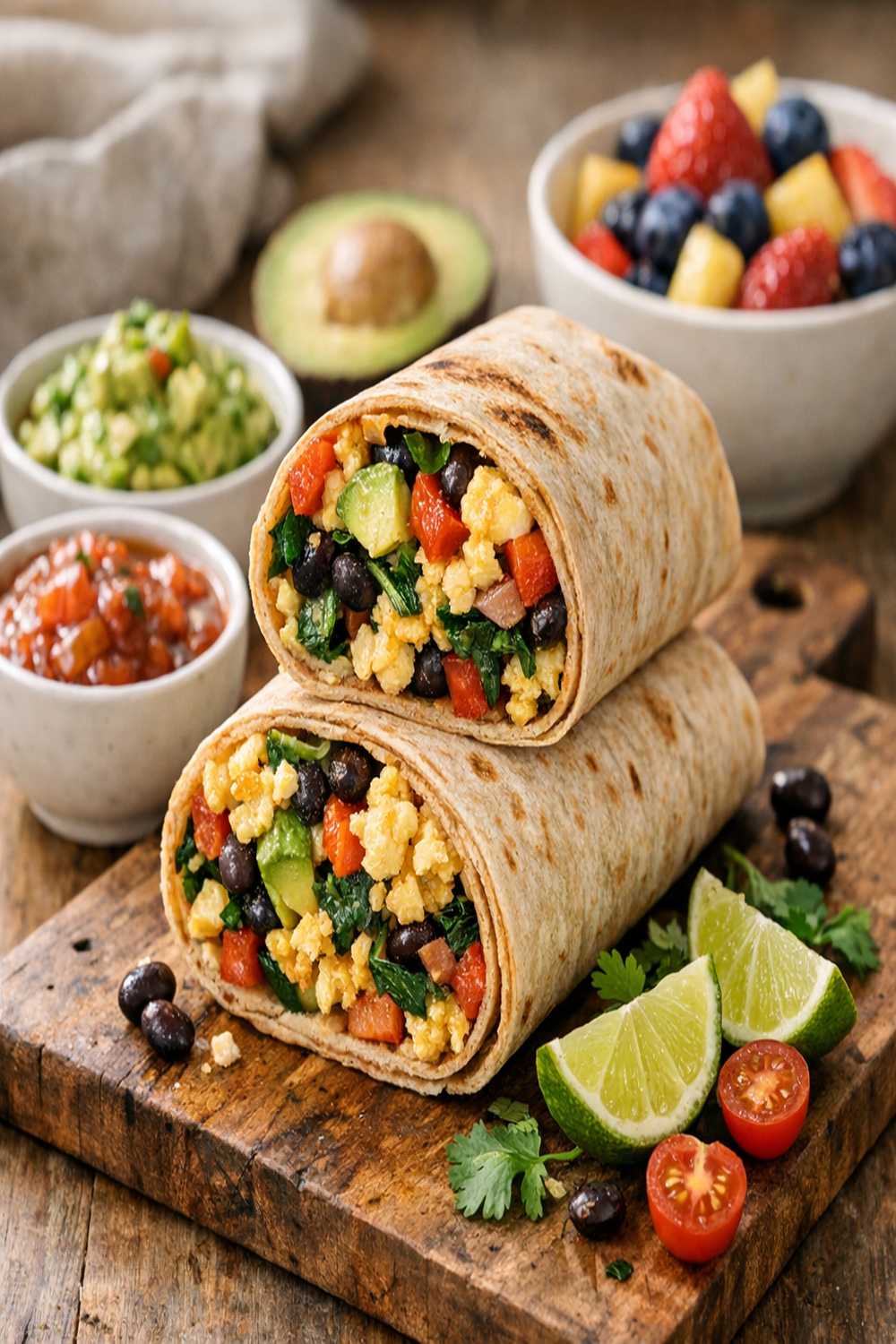
A breakfast burrito wraps a complete meal—protein, healthy fats, complex carbs, and vegetables—into one portable, satisfying package. Unlike the heavily processed versions you’ll find at fast-food chains, homemade burritos let you control every ingredient and flavor.
What makes mine specifically healthy is the ingredient selection: I use a combination of whole eggs and egg whites to keep saturated fat moderate while maintaining the rich flavor of real eggs. I choose maple-flavored chicken sausage, which provides protein and a touch of natural sweetness without excess sodium. And I load up on vegetables—red bell pepper, fresh spinach, and diced potatoes create texture, fiber, and micronutrients.
These burritos fit seamlessly into any eating pattern. Whether you follow a higher-protein approach, manage blood sugar, or simply want breakfast that actually satisfies you, they work beautifully.
Why You’ll Love This Healthy Breakfast Burrito Recipe
- Packed with lean protein – Four whole eggs plus egg whites give you roughly 28 grams of protein per burrito, keeping you satisfied for hours. This is particularly important if you find yourself ravenous by 10 AM on typical breakfasts.
- Real ingredients you recognize – No mystery additives or heavily processed components. You’re working with whole eggs, actual vegetables, and high-quality sausage. As a dietitian, I always tell people: if you can’t pronounce the ingredient, your body might struggle to process it efficiently.
- Meal-prep perfection – Assemble these the night before or on Sunday for the entire week. They reheat beautifully and taste nearly as good as when freshly made. This eliminates the morning scramble and removes the temptation to grab something less nourishing on your way out the door.
- Naturally satisfying flavor – The maple-seasoned sausage, creamy egg, sautéed peppers, and warm cheese create layers of flavor without any need for excessive salt or artificial seasonings. Satisfaction is where real nutrition lives.
- Customizable to your preferences – Don’t love spinach? Swap it for kale or arugula. Prefer sharp cheddar over mild? Go for it. This recipe is a framework that welcomes your personal touches.
- Budget-conscious – When you buy eggs and sausage in bulk and prep burritos yourself, the cost per meal drops significantly compared to buying breakfast sandwiches daily.
The Ingredients
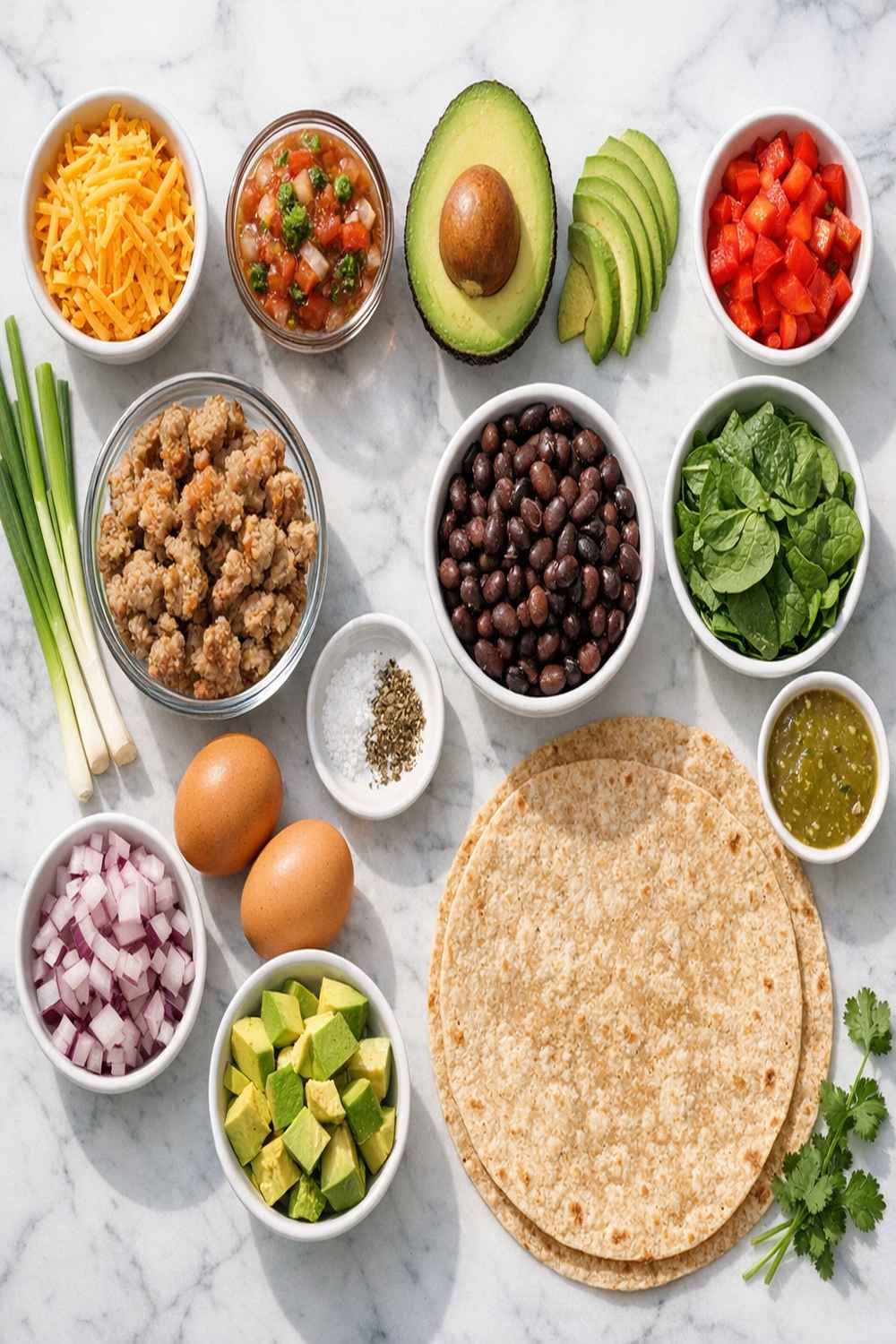
I’ve organized these ingredients to show you exactly what goes into each burrito. Everything here serves a purpose—there’s no filler. The beauty of breakfast cooking is that quality ingredients shine through without heavy sauces or complicated techniques.
- Salsa or hot sauce (for serving)
- 4 large whole wheat tortillas (or your preferred wrap—about 10 inches each)
- ½ cup red bell pepper (diced—the sweetness balances the savory elements)
- Fresh cilantro (a small handful, chopped—optional but it brightens the whole dish)
- 1 teaspoon garlic powder (fresh garlic works too—use about 2 cloves minced)
- 2 cups fresh spinach (roughly chopped to help it wilt evenly)
- 1 ripe avocado or ¼ cup guacamole (adds healthy fat and creaminess)
- ½ teaspoon onion powder (amplifies the savory notes)
- ½ cup yellow onion (diced into small pieces for even cooking)
- 4 links maple-seasoned chicken sausage or similar quality breakfast sausage links (roughly 85 grams total, chopped into bite-sized pieces)
- 4 large eggs (room temperature for best scrambling texture)
- ½ cup shredded cheese (sharp cheddar or Mexican blend—optional but recommended)
- 8 egg whites or 1 cup liquid egg whites from a carton (keeps saturated fat reasonable)
- 4 ounces red potatoes (cut into small cubes, about the size of peas—they cook faster this way)
- Sea salt and freshly ground black pepper (to taste)
How to Make Healthy Breakfast Burritos?
I’ve broken this into manageable steps. The entire process takes about 20 minutes from start to finish, though you can prep components ahead if that works better for your schedule. Let me walk you through what I’ve learned from making these dozens of times.
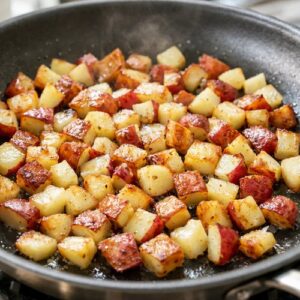
Step 1: Sauté the Potatoes Until Golden
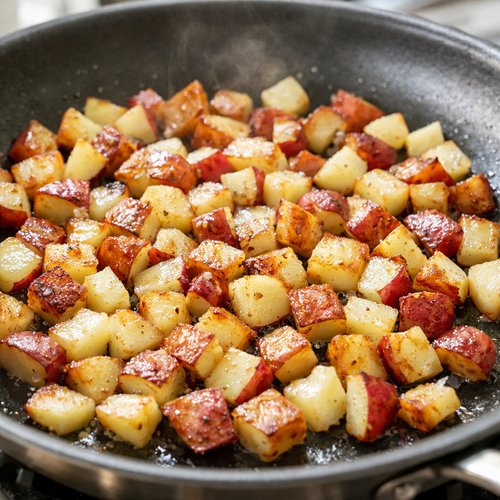
Spray a large skillet with nonstick cooking spray and set it over medium-high heat. Once hot, add your diced red potatoes and let them cook for about 4-5 minutes, stirring occasionally. You want them to soften on the inside and begin browning on the edges—this takes longer than you might think, but the golden, slightly crispy exterior adds wonderful texture. Don’t rush this step by cranking up the heat; medium-high is your sweet spot.
Step 2: Add Sausage, Onion, and Pepper
Chop your sausage links into small, bite-sized pieces and add them to the skillet along with the diced onion and red bell pepper. Cook for about 2-3 minutes, stirring frequently. You’ll smell the maple notes opening up, and the sausage should develop some golden-brown spots. The onion will soften slightly and begin to become translucent at the edges.
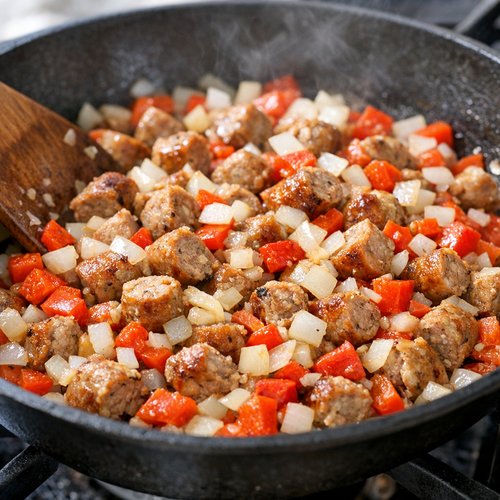
Here’s something I learned as a dietitian that matters for flavor: the vegetables release their natural sugars as they cook, which caramelizes slightly and deepens the overall taste. This is why we don’t just dump everything in raw—the cooking process creates better flavor.
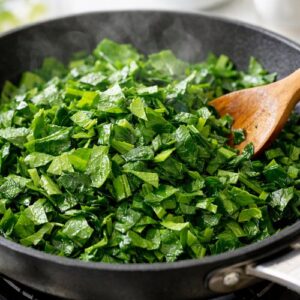
Step 3: Wilt the Spinach
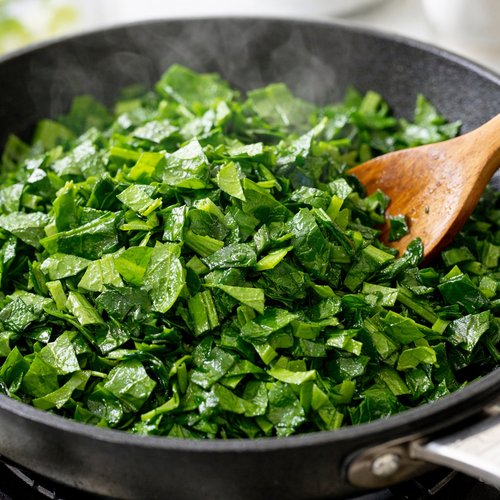
Add your chopped spinach to the skillet. It will look like far too much at first—don’t worry. Stir it in and let it cook for about 1-2 minutes until it completely wilts down. You’ll see the volume reduce dramatically as the water content evaporates. This is the point where the vegetables are all tender and the sausage is cooked through.
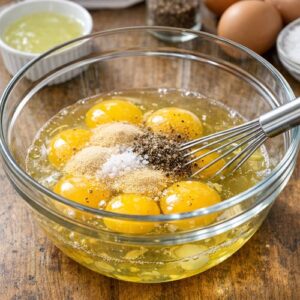
Step 4: Scramble the Eggs
Crack your whole eggs into a bowl and add the egg whites along with the garlic powder, onion powder, a pinch of salt, and a few grinds of black pepper. Whisk these together until well combined. Pour the egg mixture into your skillet with the sausage and vegetables.
Reduce the heat to medium and cook, stirring gently but frequently, until the eggs are scrambled to your preference. I like mine just set but still slightly creamy, which takes about 3-4 minutes. If you prefer firmer eggs, cook a bit longer. The residual heat in the pan will continue cooking them slightly even after you remove it from the heat, so aim for just slightly underdone and you’ll hit the mark perfectly.
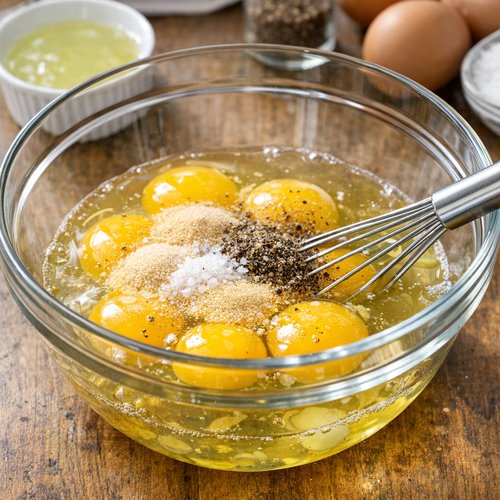
This is also your moment to taste and adjust seasoning. If you want more salt, pepper, or garlic, add it now before you move to assembly.
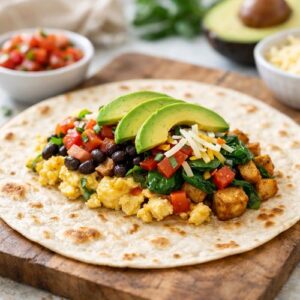
Step 5: Assemble Your Burritos
Warm your tortillas slightly—either by wrapping them in a damp paper towel and microwaving for about 20-30 seconds, or by quickly warming them in the skillet. Warm tortillas are much more pliable and less likely to tear when you roll them.
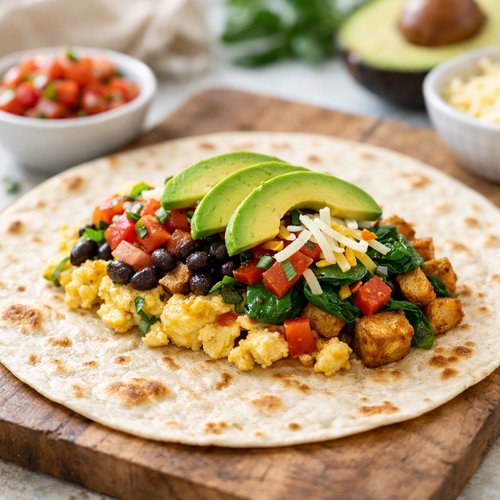
Lay a tortilla flat on a clean surface. Place about ¼ of your egg mixture in the center of the tortilla, leaving space around the edges. Top with a small handful of cheese, a few slices of avocado or a spoonful of guacamole, a drizzle of salsa, and a pinch of fresh cilantro if using.
Now comes the fold: fold the left and right sides of the tortilla inward about 2-3 inches, then fold the bottom edge up and roll tightly away from you, tucking as you go. The folded sides help contain the filling as you roll. If you have leftover filling that leaks slightly during rolling, that’s totally normal—just tuck it back in.
Step 6: Pan-Sear Until Golden
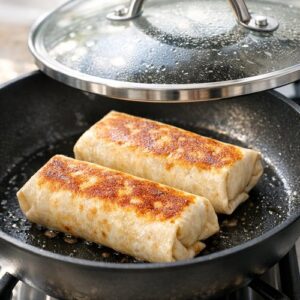
Spray your skillet again with cooking spray and set it to medium heat. Once hot, place your burritos seam-side down in the pan and cover with a lid or loose foil. Cook for about 3 minutes until the bottom is golden brown and crispy. Flip gently and cook the other side, covered, for another 2-3 minutes until that side is also golden.
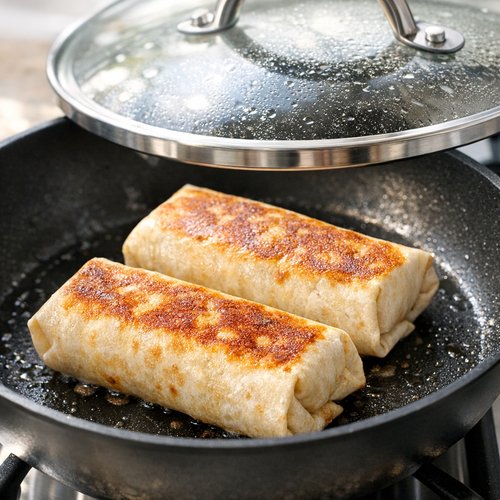
This step is optional if you’re eating them immediately, but I find the seared exterior adds texture and helps everything set together. Plus it feels indulgent in the best way.
Expert’s Nutritional Tip: Why This Protein Combination Works
Using a combination of whole eggs and egg whites is strategic from a nutrition standpoint. Whole eggs contain choline, which supports brain health and is particularly important for morning meals when you need cognitive focus. But they’re also more calorie-dense due to the yolk. By using a 1:2 ratio of whole eggs to whites, you get choline, lutein (important for eye health), and vitamin D from the yolks, while keeping total fat and calories moderate. The egg whites contribute additional protein without added fat. This combination gives you roughly 28 grams of protein and about 12-13 grams of fat per burrito—a ratio that research shows is optimal for satiety and steady blood sugar.
Tips and Tricks
- Cut your potatoes small – The smaller the dice, the faster they cook. I aim for pieces about the size of a pea. This ensures they’re tender before the other ingredients are overcooked.
- Don’t skip the pan-searing step if you’re meal prepping – The golden crust actually helps the burritos hold together better when reheating and prevents them from getting soggy.
- Use quality sausage – The flavor difference between a high-quality breakfast sausage and a grocery-store generic brand is significant. Read the ingredient list: you want meat, spices, and maybe a binder. Avoid long lists of additives.
- Let tortillas cool slightly before wrapping if you pan-seared – Hot tortillas can tear more easily. Wait just a minute, then wrap and store.
- Don’t overfill – This is the most common burrito-making mistake I see. One-quarter of the filling per tortilla is the right amount. Overstuffed burritos burst open during cooking or reheating.
- Add avocado after cooking, not before – Avocado doesn’t reheat well and can develop an off flavor if cooked. Keep it fresh by adding it just before eating or right after reheating.
- Invest in a good nonstick skillet – This recipe relies on minimal oil, so your cookware matters. A quality nonstick surface means everything cooks evenly without sticking.
Can I Store Healthy Breakfast Burritos?
Yes, and they’re actually one of the best meal-prep breakfasts. Here’s how I manage storage in my own kitchen:
Refrigerator: Wrap assembled burritos tightly in plastic wrap or store them in an airtight container. They’ll keep for up to 4 days in the refrigerator. To reheat, wrap in foil and warm in a 350°F oven for about 12-15 minutes. They won’t have the same crispy exterior as when fresh, but the texture remains pleasant and the flavors stay cohesive. Microwave reheating works in a pinch (about 1-2 minutes), but the tortilla tends to get rubbery.
Freezer: This is where these burritos shine for real meal prep. Wrap each cooled burrito individually in plastic wrap, then aluminum foil, and label with the date. They freeze beautifully for up to 3 months. To reheat from frozen, wrap in foil and bake at 350°F for about 25-30 minutes until heated through. Again, the oven method preserves texture far better than microwave thawing.
Pro tip: If you assemble burritos but don’t cook them, you can freeze them uncooked, then cook directly from frozen. They’ll take about 5 minutes per side in the skillet instead of 3. This flexibility is why I often assemble a batch on Sunday even if I’m not eating them that week.
Make-Ahead Guide: For true meal prep efficiency, I recommend doing this in stages. Step 1 (Cook the potatoes, sausage, vegetables, and eggs) can happen on Sunday afternoon. Let this filling cool completely, then store it in an airtight container in the refrigerator for up to 4 days. Then, on whichever mornings you want burritos, simply reheat the filling gently, assemble with fresh tortillas and toppings, and either eat immediately or pan-sear. This approach gives you fresh-tasting burritos without the full assembly time on busy mornings.
Nutrition Information
Based on USDA standard nutritional databases, each burrito (without toppings like salsa or guacamole, which you’ll add based on preference) contains approximately:
- Calories: 380-420 per burrito
- Protein: 28 grams (this is substantial and creates satiety)
- Carbohydrates: 32 grams
- Fat: 13 grams (mostly from whole eggs and a small amount from sausage)
- Fiber: 4 grams
The protein-to-carb ratio in this burrito is particularly useful for blood sugar management. The 28 grams of protein helps slow carbohydrate absorption, which means more stable energy and less of that mid-morning energy crash. The fiber from vegetables and whole wheat tortilla adds another layer of satiety.
If you add a full ounce of cheese, add approximately 110 calories and 7 grams of fat. If you add ¼ avocado, add approximately 60 calories and 5 grams of fat. Fresh salsa adds minimal calories (about 10-20 per ¼ cup) with beneficial phytochemicals from tomatoes and peppers.
What Can I Serve With Healthy Breakfast Burritos?
These burritos are fairly complete meals on their own, but there are lovely accompaniments that enhance the experience. For lazy weekend breakfasts, I like to keep it simple so the burrito shines. Here are my favorite pairings:
- Fresh fruit – A side of berries, sliced melon, or orange segments adds micronutrients, fiber, and natural sweetness. The brightness of fruit balances the savory, warming burrito beautifully.
- Yogurt with granola – A simple Greek yogurt parfait with granola gives you an additional protein hit and a crunchy textural contrast if you want it.
- Simple green salad – If you’re eating burritos for lunch instead of breakfast, a crisp green salad with a light vinaigrette adds freshness and volume without heaviness.
- Herbal tea or coffee – Obviously, but I mention it because the ritual of a warm beverage alongside breakfast makes the whole meal feel more intentional and satisfying, which actually supports better digestion.
- Roasted asparagus or other vegetable – If you’re making these for brunch, a side of Asparagus Recipe Spicy adds another vegetable serving and keeps the meal aligned with whole-foods nutrition.
- Avocado slices on the side – For those who want more healthy fat and creaminess but prefer to customize their own amount, serve sliced avocado on the side rather than tucking it into the burrito.
- Salsa bar – Set out small bowls of different salsas, hot sauces, and fresh cilantro so people can customize their own experience. This is particularly nice for meal prep week mornings when you want to vary the flavor slightly without making entirely different burritos.
Substitutes
- Different protein instead of sausage – Turkey bacon, diced ham, or even leftover Avocado Chicken Healthy Recipe works beautifully. Adjust cooking time if you choose a pre-cooked protein like bacon.
- Whole grain or sprouted tortillas instead of wheat – These offer more fiber and a slightly nuttier flavor. They’re a bit more delicate, so handle gently when wrapping, but they’re excellent for adding micronutrients.
- Kale or Swiss chard instead of spinach – These heartier greens add mineral content and a more robust flavor. You may need to cook them slightly longer—about 3 minutes instead of 1-2—to achieve tenderness.
- Sweet potato instead of red potato – This brings natural sweetness and additional beta-carotene. Dice smaller than you would regular potatoes since they’re denser, and cook for about 6-7 minutes to ensure tenderness.
- Any bell pepper color – Red, yellow, orange, and green peppers all work. Red and yellow are naturally sweeter, while green has a more vegetal note. Use whichever appeals to you or whatever you have on hand.
- Feta or goat cheese instead of cheddar – These add tanginess and sophistication. Use slightly less by volume since these cheeses are often more flavorful than cheddar.
- Hot sauce instead of mild salsa – If you love heat, embrace it. Sriracha, Frank’s RedHot, or any hot sauce you enjoy adds personality and may even boost metabolism slightly thanks to capsaicin.
- Ghee or avocado oil instead of cooking spray – If you prefer cooking with fat, use just ½ teaspoon instead of spray. The flavor won’t change dramatically, but some people find it easier to control fat with an oil pour than with spray.
Common Mistakes to Avoid
- Overcrowding the skillet during the initial cooking phase – If you’re making 4 burritos and you crowd the pan with too much potato and sausage at once, they’ll steam instead of sauté. Work in batches if needed, or use a very large skillet. The goal is even browning and tenderness, not speed.
- Undercooking the potatoes – I’ve made this mistake countless times when I’m in a hurry. Raw or very firm potatoes in a burrito are unpleasant. Invest the full 4-5 minutes to ensure they’re genuinely tender. They should yield easily when pierced with a fork.
- Scrambling the eggs on too-high heat – High heat creates rubbery, dry eggs. Medium heat is your friend. The eggs will take slightly longer, but they’ll be creamy and tender instead of tough. This single adjustment elevates the entire eating experience.
- Adding avocado before assembly instead of after reheating – Cooked avocado develops a strange bitter taste and mushy texture. Always add it fresh, either right after cooking or after reheating just before eating.
- Not seasoning the egg mixture adequately – The burrito filling needs to be well-seasoned at the end of cooking, not after assembly. Taste and adjust salt, pepper, and garlic while the eggs are still in the skillet. This is your only window to adjust seasoning easily.
Seasonal Variations
Spring: Add fresh asparagus (cut into small pieces and sautéed with the potatoes) and use fresh herbs like chives or dill. Spring peas also work beautifully. The lightness of spring vegetables pairs well with the egg base.
Summer: Use fresh heirloom tomatoes (diced and added fresh, not cooked) along with fresh basil in place of cilantro. Zucchini can replace some of the potato for a lighter feel. Consider using fresh mozzarella instead of cheddar for a summery flavor profile.
Fall: Swap red potato for butternut squash (cut very small so it cooks quickly) and add a pinch of nutmeg or cinnamon to the egg mixture. Use sage instead of cilantro. The warm spices feel seasonally appropriate and enhance the natural sweetness of fall produce.
Winter: Root vegetables shine here—parsnips or turnips add different flavors to regular potatoes. Add a handful of kale or collard greens for heartiness. A pinch of smoked paprika in the egg mixture adds warmth and depth during cold months.
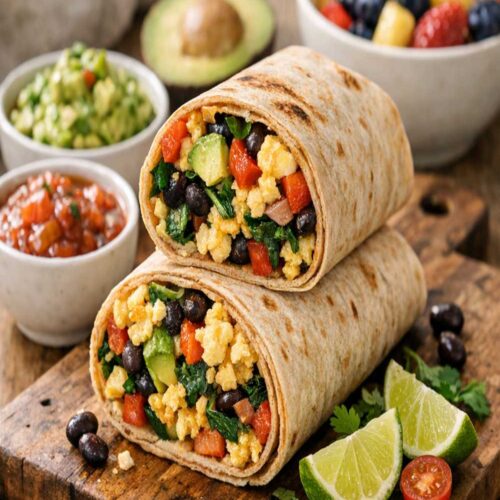
Healthy Breakfast Burrito Recipe

Ingredients
- Salsa or hot sauce for serving
- 4 large whole wheat tortillas (or your preferred wrap
- ½ cup red bell pepper (diced
- Fresh cilantro (a small handful, chopped
- 1 teaspoon garlic powder (fresh garlic works too
- 2 cup fresh spinach roughly chopped to help it wilt evenly
- 1 ripe avocado or ¼ cup guacamole adds healthy fat and creaminess
- ½ teaspoon onion powder amplifies the savory notes
- ½ cup yellow onion diced into small pieces for even cooking
- 4 links maple-seasoned chicken sausage or similar quality breakfast sausage links roughly 85 grams total, chopped into bite-sized pieces
- 4 large eggs room temperature for best scrambling texture
- ½ cup shredded cheese (sharp cheddar or Mexican blend
- 8 egg whites or 1 cup liquid egg whites from a carton keeps saturated fat reasonable
- 4 ounce red potatoes (cut into small cubes, about the size of peas
- Sea salt and freshly ground black pepper to taste
Instructions
Step 1: Sauté the Potatoes Until Golden
- Spray a large skillet with nonstick cooking spray and set it over medium-high heat. Once hot, add your diced red potatoes and let them cook for about 4-5 minutes, stirring occasionally. You want them to soften on the inside and begin browning on the edges—this takes longer than you might think, but the golden, slightly crispy exterior adds wonderful texture. Don't rush this step by cranking up the heat; medium-high is your sweet spot.
Step 2: Add Sausage, Onion, and Pepper
- Chop your sausage links into small, bite-sized pieces and add them to the skillet along with the diced onion and red bell pepper. Cook for about 2-3 minutes, stirring frequently. You'll smell the maple notes opening up, and the sausage should develop some golden-brown spots. The onion will soften slightly and begin to become translucent at the edges. Here's something I learned as a dietitian that matters for flavor: the vegetables release their natural sugars as they cook, which caramelizes slightly and deepens the overall taste. This is why we don't just dump everything in raw—the cooking process creates better flavor.

Step 3: Wilt the Spinach
- Add your chopped spinach to the skillet. It will look like far too much at first—don't worry. Stir it in and let it cook for about 1-2 minutes until it completely wilts down. You'll see the volume reduce dramatically as the water content evaporates. This is the point where the vegetables are all tender and the sausage is cooked through.
Step 4: Scramble the Eggs
- Crack your whole eggs into a bowl and add the egg whites along with the garlic powder, onion powder, a pinch of salt, and a few grinds of black pepper. Whisk these together until well combined. Pour the egg mixture into your skillet with the sausage and vegetables. Reduce the heat to medium and cook, stirring gently but frequently, until the eggs are scrambled to your preference. I like mine just set but still slightly creamy, which takes about 3-4 minutes. If you prefer firmer eggs, cook a bit longer. The residual heat in the pan will continue cooking them slightly even after you remove it from the heat, so aim for just slightly underdone and you'll hit the mark perfectly. This is also your moment to taste and adjust seasoning. If you want more salt, pepper, or garlic, add it now before you move to assembly.
Step 5: Assemble Your Burritos
- Warm your tortillas slightly—either by wrapping them in a damp paper towel and microwaving for about 20-30 seconds, or by quickly warming them in the skillet. Warm tortillas are much more pliable and less likely to tear when you roll them. Lay a tortilla flat on a clean surface. Place about ¼ of your egg mixture in the center of the tortilla, leaving space around the edges. Top with a small handful of cheese, a few slices of avocado or a spoonful of guacamole, a drizzle of salsa, and a pinch of fresh cilantro if using. Now comes the fold: fold the left and right sides of the tortilla inward about 2-3 inches, then fold the bottom edge up and roll tightly away from you, tucking as you go. The folded sides help contain the filling as you roll. If you have leftover filling that leaks slightly during rolling, that's totally normal—just tuck it back in.
Step 6: Pan-Sear Until Golden
- Spray your skillet again with cooking spray and set it to medium heat. Once hot, place your burritos seam-side down in the pan and cover with a lid or loose foil. Cook for about 3 minutes until the bottom is golden brown and crispy. Flip gently and cook the other side, covered, for another 2-3 minutes until that side is also golden. This step is optional if you're eating them immediately, but I find the seared exterior adds texture and helps everything set together. Plus it feels indulgent in the best way.
Notes
Nutrition
FAQs
Can I make these without eggs?
You can, but it changes the recipe significantly. Eggs are the structural component that holds everything together. If you need an egg-free version, tofu scramble works as a substitute, though you’ll need to adjust cooking times and the texture will be different. Alternatively, you could make a burrito with beans, vegetables, and rice instead, though it wouldn’t be the same dish. If you have an egg allergy, I’d recommend exploring other breakfast options rather than forcing this recipe.
Can I use liquid egg whites from a carton instead of separating eggs myself?
Absolutely, and honestly, it’s convenient and time-saving. Liquid egg whites are pasteurized and work identically to fresh egg whites in this application. I use them frequently in my own kitchen. Just measure carefully—generally, 2 tablespoons of liquid egg whites equals one large egg white.
How do I know when the potatoes are done?
Pierce them with a fork. They should be tender enough that the fork goes through with minimal pressure, but they shouldn’t be falling apart. The outside edges will have some golden-brown color, and the inside should be soft and slightly creamy when you bite into one. If you’re unsure, cook them a minute longer—overcooking potatoes in this application is better than undercooking them.
My burritos are coming apart when I flip them—what am I doing wrong?
Several things could cause this: your tortillas might not be warm enough (cold tortillas are less pliable), your filling might be too wet (ensure the vegetables and eggs aren’t releasing excess moisture), or you might be overfilling them. Try warming your tortillas more thoroughly before wrapping, squeeze any visible moisture from the spinach before adding it, and use just one-quarter of the filling per burrito. If you’re still having issues, you can skip the flipping step—just cook seam-side down for about 5-6 minutes total, which is enough to set everything.
Can I make these entirely ahead and freeze uncooked burritos?
Yes, and this is actually an excellent strategy for busy people. Assemble the burritos completely, wrap individually in plastic wrap and then foil, and freeze for up to 3 months. When you want to eat one, you have two options: thaw overnight in the refrigerator and pan-sear as usual (adding 2-3 minutes to the cooking time), or cook directly from frozen (add about 5-6 minutes total, covering the skillet to allow the filling to heat through before the outside browns too much). This approach gives you maximum flexibility and requires zero morning effort.
Is there a way to make these lower in carbs?
You can use low-carb or keto tortillas instead of traditional wheat tortillas—brands like Mission and Mama Lupe make versions with 5-8 grams net carbs instead of 30. The filling itself is already relatively moderate in carbs (mostly from the potato and tortilla, not from the eggs or vegetables). If you want to reduce carbs further, you could use only ½ ounce of potato and increase the leafy greens, but you’d lose some of the textural variety that makes these burritos satisfying.
More Recipes You’ll Love
- American Taco Recipe – Shares the same handheld, customizable format and works beautifully for breakfast or brunch.
- Almond Butter Overnight Oats Recipe – Another make-ahead breakfast option that pairs well with burritos in a weekly rotation.
- Avocado Chicken Healthy Recipe – Uses similar whole-ingredient principles and can actually be used as a protein substitute in this burrito recipe.
- Asparagus Recipe Spicy – A perfect side vegetable if you’re serving these burritos for brunch and want an additional seasonal vegetable component.
Making these burritos has become one of my favorite weekend rituals. There’s something satisfying about creating a week’s worth of nourishing breakfasts in one cooking session—it removes decision fatigue, supports better eating habits, and honestly tastes incredible. The combination of creamy eggs, tender vegetables, and warm cheese never gets old, and the nutritional balance keeps my energy stable through busy mornings.
Start with this exact recipe to understand how the components work together, then make it your own. Change vegetables with the seasons, experiment with different cheeses, play with hot sauces—this framework welcomes your creativity. The magic isn’t in following a recipe perfectly; it’s in creating something nourishing that you actually look forward to eating. Your future self on a busy weekday morning will thank you.
Enjoy your cooking!!