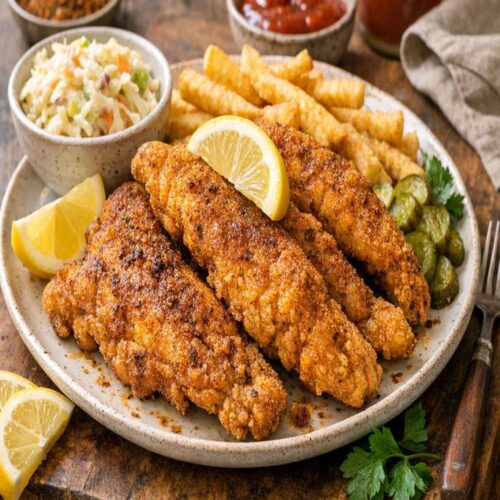
Cajun Fried Catfish Recipe

There's something about golden, crispy catfish that transports me straight back to my grandmother's kitchen in the summer of 1998. The way she'd fry fish on a cast iron skillet, the kitchen filling with that incredible aroma of spices and hot oil—it felt like love in edible form. Pair this with buttery parsley potatoes or crispy hash browns, and you've got a meal that satisfies both your taste buds and your nutritional needs.
Ingredients
For the Marinade
- 2 tablespoon fresh lemon juice about 1 medium lemon, adds acidity and freshness
- 3 tablespoon hot sauce such as Tabasco provides heat and vinegar-based tang
- ½ cup yellow mustard adds brightness and tenderizes the fish
- 1 cup buttermilk full-fat provides better flavor and more satisfying texture
For the Fish
- 6 pound catfish fillets about 12 fillets, skin removed and patted dry
For the Crispy Coating
- 2½ cup yellow cornmeal creates that signature golden crunch
- 1 teaspoon garlic powder concentrated garlic flavor without the moisture of fresh
- 2 teaspoon freshly ground black pepper (freshly ground is essential
- 1 tablespoon Cajun seasoning blend the foundation of authentic flavor
- ¼ teaspoon paprika adds color and subtle smoky notes
- 1 cup all-purpose flour provides structure to the coating
- ½ teaspoon cayenne pepper optional but adds extra depth and mild heat
For Frying
- 4 cup vegetable oil or lard for frying (high smoke point is critical
Instructions
Step 1: Prepare and Marinade Your Catfish
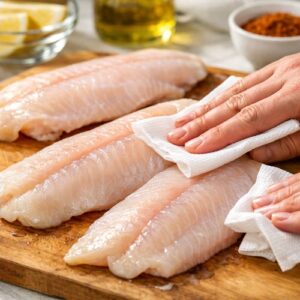
- Pat your catfish fillets completely dry with paper towels. Moisture is the enemy of crispiness, so don't skip this step. In a shallow bowl, whisk together your buttermilk, yellow mustard, hot sauce, and fresh lemon juice until smooth and well combined. The mixture should smell bright and slightly spicy. Arrange your dried fillets in a large, shallow dish or zip-top bag and pour the marinade over them, making sure each piece is coated. Cover or seal, then refrigerate for at least 30 minutes but ideally 2-4 hours. This marinade does the work of tenderizing while adding flavor that penetrates the fish, not just sits on top.
Step 2: Create Your Seasoned Coating Mixture
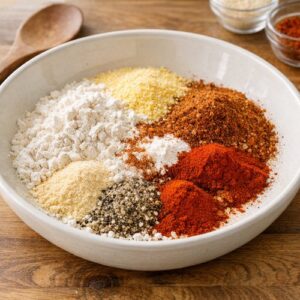
- While your fish marinates, combine your flour, cornmeal, Cajun seasoning, garlic powder, black pepper, cayenne, and paprika in a wide, shallow bowl. Whisk it together thoroughly—you want the spices evenly distributed throughout. This is your secret weapon for that authentic color and flavor. I like to mix the dry ingredients and let them sit for a few minutes so all the flavors meld together slightly. It's a small step, but it makes a difference. Your coating should smell fragrant and inviting, with no lumps from the seasonings clumping together.
Step 3: Heat Your Oil to the Perfect Temperature
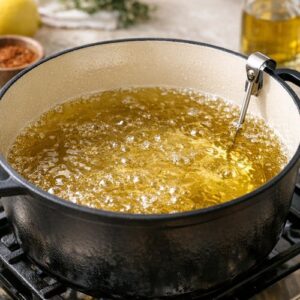
- Pour your oil into a large, heavy-bottomed skillet or Dutch oven. You want enough oil so the fillets are at least half-submerged. Place over medium-high heat and let it warm slowly. Use a thermometer—this is non-negotiable. You're aiming for 350°F. If your oil isn't hot enough, the fish will absorb oil and become greasy. Too hot, and the crust will brown before the inside cooks through. While the oil heats, remove your marinated catfish from the refrigerator. Let it sit at room temperature for about 5 minutes so it doesn't cool your oil dramatically when it hits the pan.
Step 4: Coat the Fillets
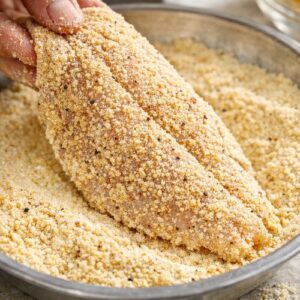
- Working with one fillet at a time, remove it from the marinade (let excess drip back into the bowl) and dredge it thoroughly in your seasoned cornmeal mixture. Press gently so the coating adheres. Make sure both sides and the edges are covered—this creates that beautiful, crispy exterior that holds in the moisture of the fish. Place each coated fillet on a clean plate or parchment paper. Don't stack them; you want them in a single layer. Let the coated fillets rest for 2-3 minutes so the coating sets slightly. This prevents it from falling off during frying.
Step 5: Fry Until Golden and Crispy
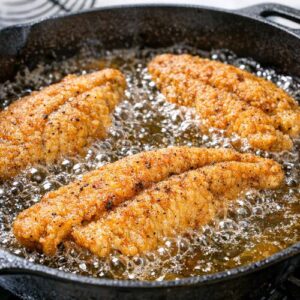
- Once your oil reaches 350°F, carefully place 2-3 fillets into the hot oil. Don't crowd the pan—each fillet needs space to fry evenly and the oil temperature to stay consistent. Fry for 3-4 minutes per side, until the coating is deep golden brown and crispy. The fish inside should flake easily with a fork and be completely opaque. Use tongs or a slotted spatula to gently turn the fillets halfway through cooking. Listen for that gentle sizzle—it should be steady and satisfying, not a loud, violent bubble (that means the oil is too hot). When done, transfer the cooked fillets to a plate lined with paper towels to drain excess oil. Repeat with remaining fillets, bringing the oil back to 350°F between batches. This is important for consistency—if you fry too many at once or let the temperature drop, your results will be uneven.
Step 6: Rest and Serve Immediately
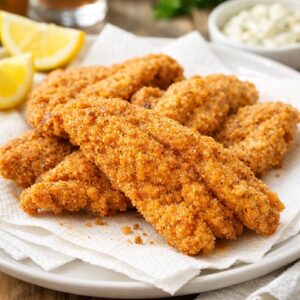
- Let your fried catfish rest on the paper towel-lined plate for about 2 minutes before serving. This allows the exterior to set and any excess oil to be absorbed. The fish will continue to cook slightly from residual heat, and the crust will firm up to that satisfying crunch. Serve immediately while the contrast between that crispy, golden crust and the tender, flaky interior is at its peak. Squeeze fresh lemon over top if desired—the acidity balances the richness of the fried coating beautifully.
Notes
- Use fresh catfish - If possible, buy your fillets from a reliable fishmonger the day you plan to cook. Fresh fish has better texture and flavor. If using frozen, thaw overnight in the refrigerator, then pat completely dry before marinating.
- Don't skip the thermometer - I cannot overstate this. Even a $15 instant-read thermometer prevents the most common mistake: oil that's too cool, resulting in greasy, soggy fish. Your thermometer should be your best friend.
- Make your own spice blend - While pre-made Cajun seasoning is convenient, making your own gives you control over salt content and spice level. Mix equal parts paprika, garlic powder, onion powder, dried oregano, dried thyme, cayenne, and black pepper. Adjust to your taste.
- Double-dredge for extra crunch - For an extra-crispy exterior, let coated fillets sit in the fridge for 30 minutes, then dredge again in the seasoned mixture and fry. The double coating creates spectacular texture.
- Keep finished fillets warm - If you're cooking in batches and serving everyone together, place cooked fillets on a wire rack set over a baking sheet in a 200°F oven while you finish frying the rest. This keeps them warm without making them soggy.
- Save your oil smartly - After frying, let oil cool completely, then strain through cheesecloth or a fine-mesh strainer. You can reuse it 2-3 times for frying, but discard it once it becomes dark or smells off.
Nutrition
Calories: 488kcalCarbohydrates: 42gProtein: 52gFat: 12gSaturated Fat: 3gCholesterol: 160mgSodium: 386mgFiber: 5gSugar: 2g
Tried this recipe?Let us know how it was!