 Elaine Gordon
There’s something about golden, crispy catfish that transports me straight back to my grandmother’s kitchen in the summer of 1998. The way she’d fry fish on a cast iron skillet, the kitchen filling with that incredible aroma of spices and hot oil—it felt like love in edible form. Pair this with buttery parsley potatoes or crispy hash browns, and you’ve got a meal that satisfies both your taste buds and your nutritional needs.
The Soul of Southern Cooking: Understanding Cajun Fried Catfish
I grew up watching my parents celebrate home-cooked meals as acts of care, and this Cajun fried catfish recipe embodies exactly that philosophy. It’s not just about frying fish—it’s about creating layers of flavor that make you want to slow down and truly taste what’s on your plate.
What is Cajun Fried Catfish Recipe?
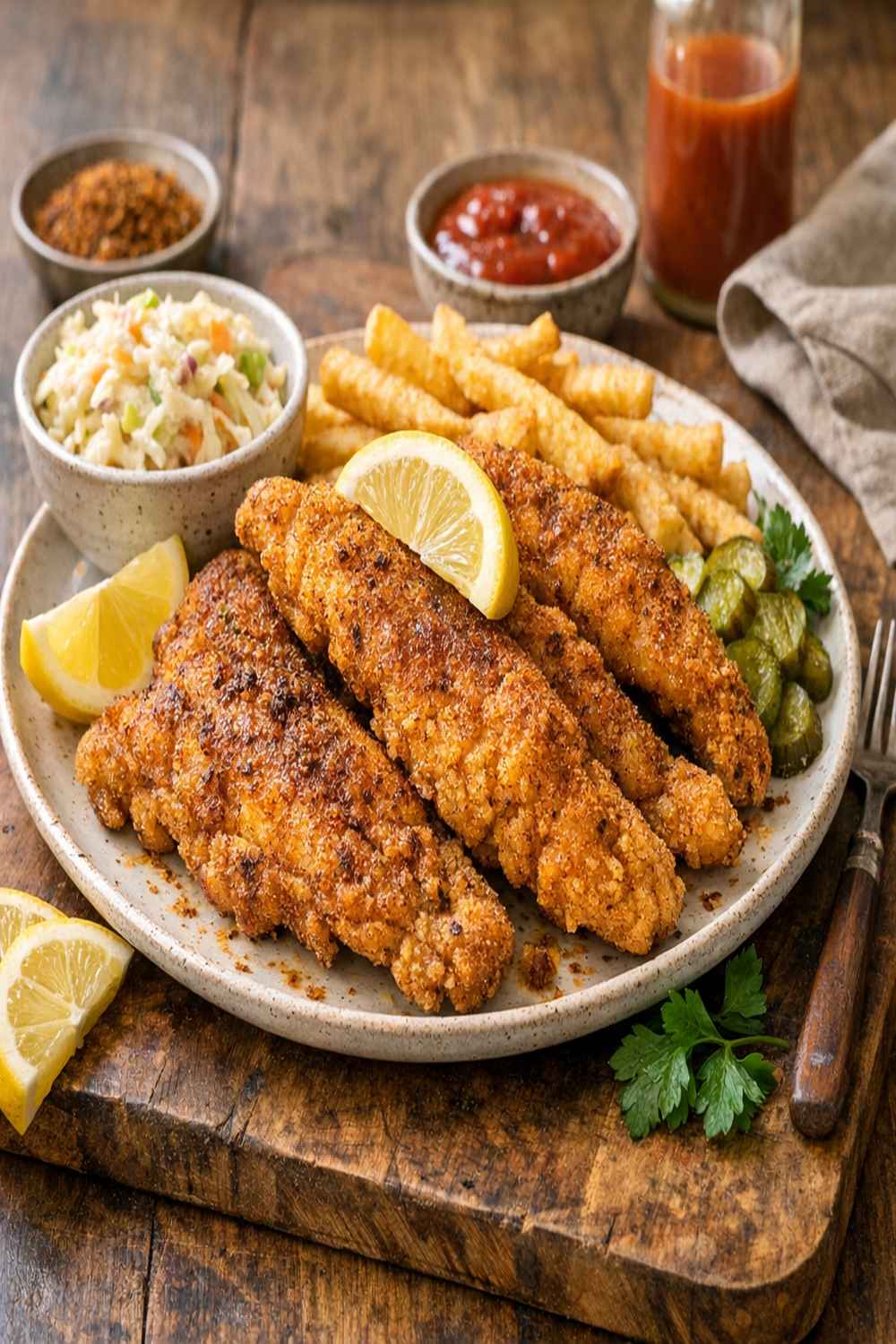
Cajun fried catfish is a Louisiana classic that combines tender, flaky white fish with a crispy, deeply seasoned cornmeal crust. The magic lies in the marinade—a tangy buttermilk and mustard blend infused with heat and citrus—and the spice blend that creates that iconic golden-brown exterior.
Catfish became a staple in Louisiana because it thrives in freshwater bayous and rivers. Over generations, Cajun cooks developed this technique to honor the fish’s delicate flavor while celebrating bold, aromatic spices. The result is a dish that’s simultaneously humble and impressive, perfect for weeknight dinners or casual entertaining.
What I love most as a registered dietitian is that catfish is rich in omega-3 fatty acids and lean protein—making this recipe satisfying without being heavy. When you use quality oil and don’t overcrowd the pan, you get crispy exterior with minimal oil absorption.
Why You’ll Love This Cajun Fried Catfish Recipe
- Authentic Cajun seasoning blend – The combination of garlic, black pepper, and traditional Cajun spices creates that restaurant-quality flavor you can’t achieve with single seasonings. These spices also contain natural antioxidants and anti-inflammatory compounds.
- Buttermilk and mustard marinade – This isn’t just for flavor. The acidity tenderizes the fish while adding tangy depth. Buttermilk’s lactic acid breaks down protein fibers, ensuring each bite is impossibly tender.
- Quick cooking time – Catfish fillets are thin and cook in just 3-4 minutes. This means dinner can be on the table in under 20 minutes total, making it perfect for busy weeknights.
- Naturally nutritious – Catfish provides high-quality protein (about 25 grams per 3-ounce serving), B vitamins, selenium, and those beneficial omega-3 fatty acids that support heart and brain health.
- Versatile and forgiving – Whether you’re feeding a crowd or cooking for two, this recipe scales beautifully. It’s also one of those dishes that tastes just as good at room temperature, making it ideal for meal prep.
The Ingredients
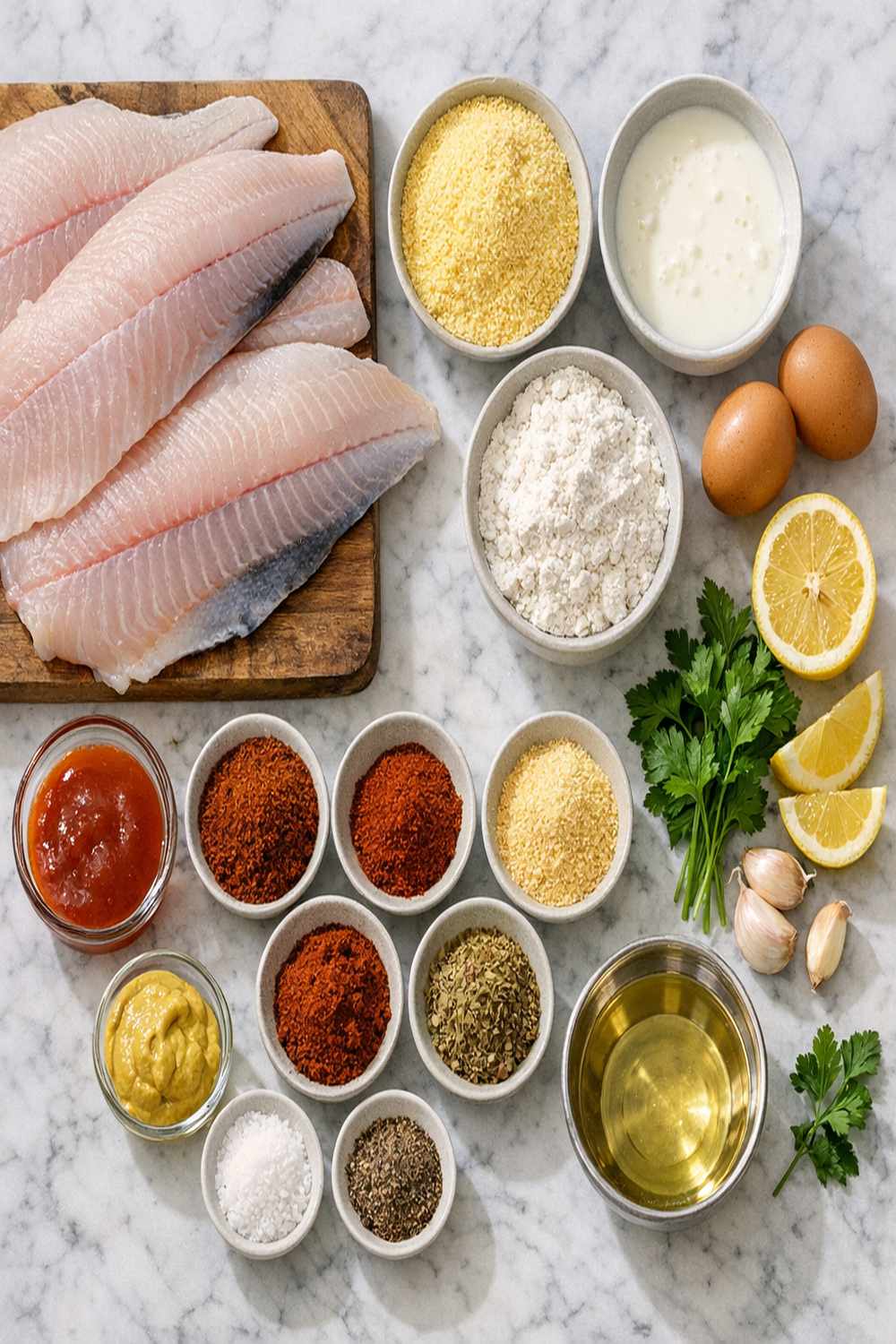
I’ve organized these ingredients into categories to make shopping and prep easier. You’ll notice I’m using whole, recognizable ingredients—nothing mysterious. This makes a huge difference in both flavor and the nutritional profile of your final dish.
For the Marinade
- 2 tablespoons fresh lemon juice (about 1 medium lemon, adds acidity and freshness)
- 3 tablespoons hot sauce such as Tabasco (provides heat and vinegar-based tang)
- ½ cup yellow mustard (adds brightness and tenderizes the fish)
- 1 cup buttermilk (full-fat provides better flavor and more satisfying texture)
For the Fish
- 6 pounds catfish fillets (about 12 fillets, skin removed and patted dry)
For the Crispy Coating
- 2½ cups yellow cornmeal (creates that signature golden crunch)
- 1 teaspoon garlic powder (concentrated garlic flavor without the moisture of fresh)
- 2 teaspoons freshly ground black pepper (freshly ground is essential—pre-ground loses potency)
- 1 tablespoon Cajun seasoning blend (the foundation of authentic flavor)
- ¼ teaspoon paprika (adds color and subtle smoky notes)
- 1 cup all-purpose flour (provides structure to the coating)
- ½ teaspoon cayenne pepper (optional but adds extra depth and mild heat)
For Frying
- 4 cups vegetable oil or lard for frying (high smoke point is critical—aim for 350°F safely)
Yield: Serves 6 people with 2 fillets each; total cooking time is approximately 18 minutes from start to finish.
How to Make Cajun Fried Catfish Recipe?
I’m going to walk you through this step-by-step. The key to success is not rushing—give yourself time to properly marinate the fish and bring your oil to the correct temperature. Those two steps separate good fried catfish from extraordinary fried catfish.
Step 1: Prepare and Marinade Your Catfish
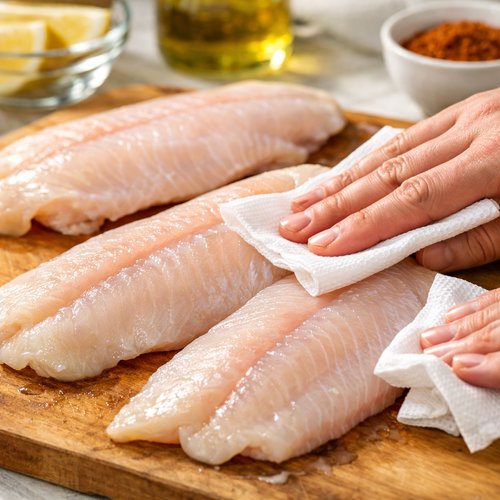
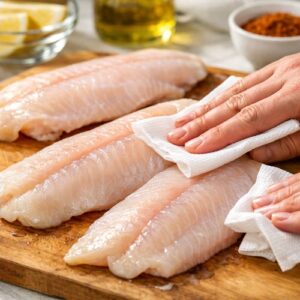
Pat your catfish fillets completely dry with paper towels. Moisture is the enemy of crispiness, so don’t skip this step. In a shallow bowl, whisk together your buttermilk, yellow mustard, hot sauce, and fresh lemon juice until smooth and well combined. The mixture should smell bright and slightly spicy.
Arrange your dried fillets in a large, shallow dish or zip-top bag and pour the marinade over them, making sure each piece is coated. Cover or seal, then refrigerate for at least 30 minutes but ideally 2-4 hours. This marinade does the work of tenderizing while adding flavor that penetrates the fish, not just sits on top.
Step 2: Create Your Seasoned Coating Mixture
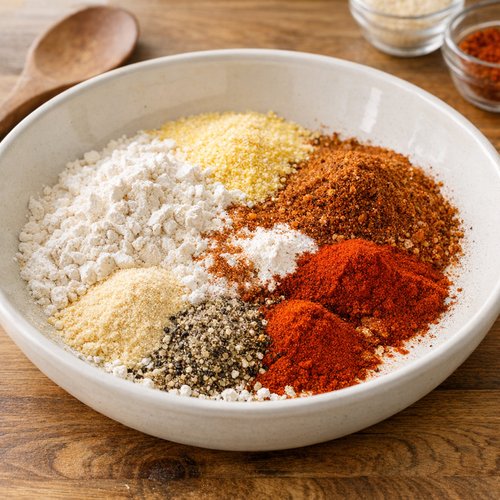
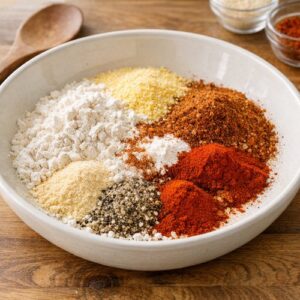
While your fish marinates, combine your flour, cornmeal, Cajun seasoning, garlic powder, black pepper, cayenne, and paprika in a wide, shallow bowl. Whisk it together thoroughly—you want the spices evenly distributed throughout. This is your secret weapon for that authentic color and flavor.
I like to mix the dry ingredients and let them sit for a few minutes so all the flavors meld together slightly. It’s a small step, but it makes a difference. Your coating should smell fragrant and inviting, with no lumps from the seasonings clumping together.
Step 3: Heat Your Oil to the Perfect Temperature
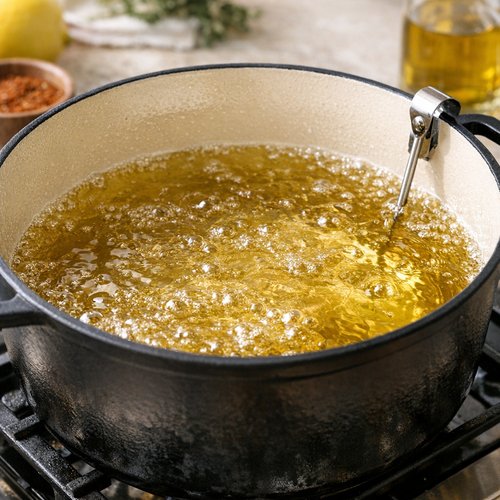
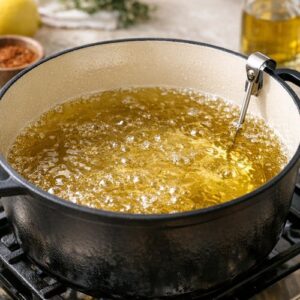
Pour your oil into a large, heavy-bottomed skillet or Dutch oven. You want enough oil so the fillets are at least half-submerged. Place over medium-high heat and let it warm slowly. Use a thermometer—this is non-negotiable. You’re aiming for 350°F. If your oil isn’t hot enough, the fish will absorb oil and become greasy. Too hot, and the crust will brown before the inside cooks through.
While the oil heats, remove your marinated catfish from the refrigerator. Let it sit at room temperature for about 5 minutes so it doesn’t cool your oil dramatically when it hits the pan.
Step 4: Coat the Fillets
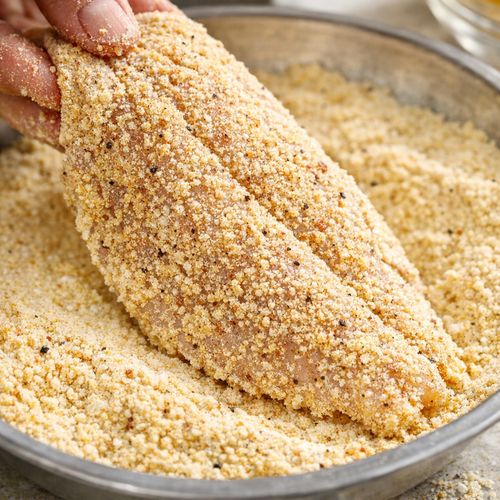
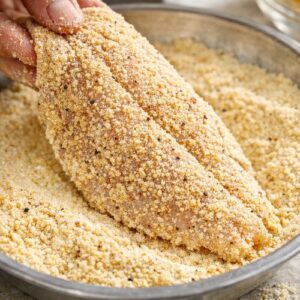
Working with one fillet at a time, remove it from the marinade (let excess drip back into the bowl) and dredge it thoroughly in your seasoned cornmeal mixture. Press gently so the coating adheres. Make sure both sides and the edges are covered—this creates that beautiful, crispy exterior that holds in the moisture of the fish.
Place each coated fillet on a clean plate or parchment paper. Don’t stack them; you want them in a single layer. Let the coated fillets rest for 2-3 minutes so the coating sets slightly. This prevents it from falling off during frying.
Step 5: Fry Until Golden and Crispy
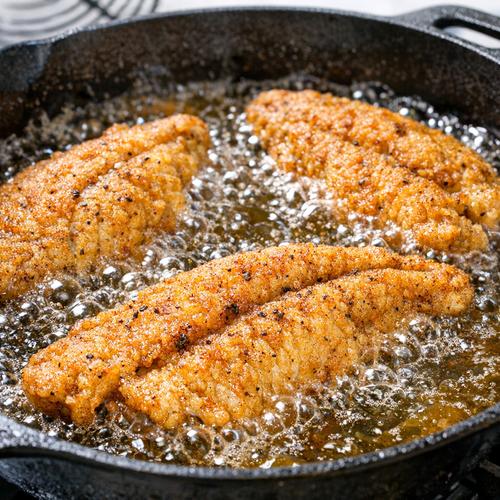
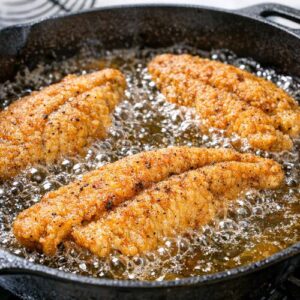
Once your oil reaches 350°F, carefully place 2-3 fillets into the hot oil. Don’t crowd the pan—each fillet needs space to fry evenly and the oil temperature to stay consistent. Fry for 3-4 minutes per side, until the coating is deep golden brown and crispy. The fish inside should flake easily with a fork and be completely opaque.
Use tongs or a slotted spatula to gently turn the fillets halfway through cooking. Listen for that gentle sizzle—it should be steady and satisfying, not a loud, violent bubble (that means the oil is too hot). When done, transfer the cooked fillets to a plate lined with paper towels to drain excess oil.
Repeat with remaining fillets, bringing the oil back to 350°F between batches. This is important for consistency—if you fry too many at once or let the temperature drop, your results will be uneven.
Step 6: Rest and Serve Immediately
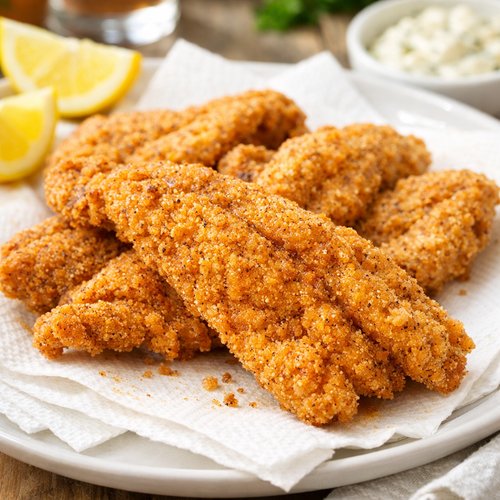
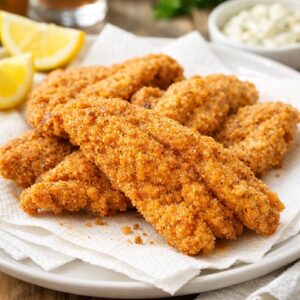
Let your fried catfish rest on the paper towel-lined plate for about 2 minutes before serving. This allows the exterior to set and any excess oil to be absorbed. The fish will continue to cook slightly from residual heat, and the crust will firm up to that satisfying crunch.
Serve immediately while the contrast between that crispy, golden crust and the tender, flaky interior is at its peak. Squeeze fresh lemon over top if desired—the acidity balances the richness of the fried coating beautifully.
Tips and Tricks
- Use fresh catfish – If possible, buy your fillets from a reliable fishmonger the day you plan to cook. Fresh fish has better texture and flavor. If using frozen, thaw overnight in the refrigerator, then pat completely dry before marinating.
- Don’t skip the thermometer – I cannot overstate this. Even a $15 instant-read thermometer prevents the most common mistake: oil that’s too cool, resulting in greasy, soggy fish. Your thermometer should be your best friend.
- Make your own spice blend – While pre-made Cajun seasoning is convenient, making your own gives you control over salt content and spice level. Mix equal parts paprika, garlic powder, onion powder, dried oregano, dried thyme, cayenne, and black pepper. Adjust to your taste.
- Double-dredge for extra crunch – For an extra-crispy exterior, let coated fillets sit in the fridge for 30 minutes, then dredge again in the seasoned mixture and fry. The double coating creates spectacular texture.
- Keep finished fillets warm – If you’re cooking in batches and serving everyone together, place cooked fillets on a wire rack set over a baking sheet in a 200°F oven while you finish frying the rest. This keeps them warm without making them soggy.
- Save your oil smartly – After frying, let oil cool completely, then strain through cheesecloth or a fine-mesh strainer. You can reuse it 2-3 times for frying, but discard it once it becomes dark or smells off.
Can I Store Cajun Fried Catfish?
Yes, and I recommend planning ahead because this reheats surprisingly well for meal prep. Store cooled catfish fillets in an airtight container in the refrigerator for up to 3 days. They’ll stay safe to eat longer, but the texture begins to deteriorate after that timeframe.
To reheat, preheat your oven to 350°F and place fillets on a baking sheet lined with foil. Bake for 8-10 minutes until warmed through. This method helps restore some of that crispiness better than microwaving, which can turn the coating rubbery.
You can also freeze uncooked, marinated fillets for up to 2 months. Arrange them in a single layer on a baking sheet, freeze until solid (about 4 hours), then transfer to a freezer bag. Thaw overnight in the refrigerator before dredging and frying—no need to re-marinate since they’ve already absorbed all that flavor.
Frozen cooked fillets keep for up to 1 month. Reheat directly from frozen in a 375°F oven for 12-15 minutes, adding a minute or two longer than thawed fillets.
Expert’s Nutritional Insight
As a registered dietitian, I want to highlight something important: catfish often gets unfairly criticized, but it’s actually one of the most nutrient-dense fish available. A 3-ounce serving of cooked catfish provides approximately 15-17 grams of high-quality protein, making it perfect for muscle recovery and satiety. Catfish is also rich in selenium, a mineral that supports thyroid function and acts as a powerful antioxidant.
The key to keeping this dish nutritionally balanced is using the right frying technique and oil. When you maintain proper oil temperature (350°F), the catfish develops a sealed crust quickly, actually preventing excessive oil absorption. Compare this to improperly fried fish that sits in cool oil and becomes an oil-soaked sponge. The marinade matters too—buttermilk and mustard add flavor without adding salt beyond the seasoning blend, and the acidity aids digestion.
If you’re concerned about fat content, remember that not all fat is created equal. Catfish contains omega-3 fatty acids (about 200mg per 3-ounce serving) and oleic acid, both of which support cardiovascular health. Enjoyed as part of a balanced meal with vegetables and whole grains, this is genuine comfort food that nourishes your body.
Make-Ahead Guide
This recipe is incredibly make-ahead friendly, which is why I love it for entertaining or busy weeks. Here’s my professional approach:
Two days before serving: Buy your catfish fillets. Store them in the coldest part of your refrigerator (usually the back of the bottom shelf).
One day before serving: Pat catfish dry and prepare the marinade. Combine fish and marinade in a zip-top bag or container, then refrigerate. The longer it marinates, the more tender it becomes—up to 12 hours is perfect.
Several hours before serving: Mix your seasoned coating blend and store in an airtight container. This keeps the spices fresh and prevents them from clumping from any ambient moisture.
30-45 minutes before serving: Remove marinated fish from refrigerator and begin heating your oil. Dredge fillets while oil reaches temperature. Have your serving plates and any side dishes ready.
Frying: This must be done fresh, just before eating. Fried catfish is best enjoyed immediately—the contrast between hot, crispy crust and steaming interior is part of what makes it special.
Common Mistakes to Avoid
- Skipping the dry step: Wet fish creates splattering oil and a soggy crust. Pat fillets absolutely dry before marinating. This single step makes more difference than you’d expect.
- Not bringing oil to proper temperature: Cool oil results in greasy fish. Use a thermometer and wait for it to reach 350°F. There’s no shortcut here, and no eyeballing will be as accurate.
- Overcrowding the pan: More fillets doesn’t mean faster dinner. Crowding cools the oil and prevents even cooking. Stick to 2-3 fillets per batch and maintain oil temperature between batches.
- Moving fillets too much: Let each side cook undisturbed for a full 3-4 minutes before flipping. Constantly jostling them prevents crust formation and causes the coating to separate from the fish.
Seasonal Variations
Spring & Summer: Add fresh herbs to your marinade—try basil or dill for a lighter take. Serve alongside fresh corn salsa (check out our corn salsa recipe) and summer greens. The brightness of herbs and fresh vegetables balances the richness of the fried fish.
Fall & Winter: Increase the cayenne pepper slightly for more warmth, and add smoked paprika to the coating for depth. Serve with roasted root vegetables or creamy coleslaw. The earthier, smokier flavors feel right at home during cooler months.
Year-round variation: Make it extra spicy by whisking extra hot sauce or sriracha into your marinade. Conversely, for heat-sensitive eaters, reduce hot sauce and increase lemon juice for brightness without intensity.
Nutrition Information
Based on USDA nutritional data, per serving (2 catfish fillets, approximately 6 ounces cooked):
- Calories: 380-420 (varies based on oil absorption and frying technique)
- Protein: 32 grams (excellent for satiety and muscle maintenance)
- Fat: 18-22 grams (includes heart-healthy omega-3s)
- Carbohydrates: 24 grams (from cornmeal coating and flour)
- Fiber: 1-2 grams
- Sodium: 580-680 milligrams (adjust by controlling seasoning blend)
- Cholesterol: 65 milligrams
This is substantial, satisfying nutrition. When paired with vegetable-based sides and a leafy green salad, you have a completely balanced, restaurant-quality meal prepared at home.
What Can I Serve With Cajun Fried Catfish?
The beauty of this dish is its versatility. It pairs beautifully with sides that either complement or contrast its richness. Here are my favorite combinations:
- Buttery Parsley Potatoes – Go straight to our buttery parsley potatoes recipe. The creamy, herbed potatoes balance the crispy, spiced fish perfectly. It’s my go-to pairing.
- Crispy Hash Browns – Looking for something lighter than traditional fries? Check out our Trader Joe’s hash brown recipe. Shredded potatoes crisp in the oven while your catfish cooks—easy timing.
- Classic Coleslaw – The cool, tangy crunch of coleslaw provides perfect contrast to the hot, crispy fish. Dress it with vinegar-based slaw sauce for extra brightness.
- Cornbread or Hush Puppies – Lean into the Southern theme. Serve alongside warm, buttered cornbread or homemade hush puppies for a complete Cajun experience.
- Steamed Green Beans – For something lighter, serve alongside steamed green beans tossed with garlic and a squeeze of lemon. The freshness cleanses the palate between bites of fried fish.
- Rice and Beans – A classic Louisiana pairing. Serve your catfish over or alongside dirty rice or traditional red beans and rice for an authentic complete meal.
- Simple Green Salad – Crisp lettuce, cucumber, tomato, and a tangy vinaigrette. Especially nice if you want to keep the meal lighter while still satisfying.
Substitutes
- Tilapia or Cod – Both have similarly mild, white flesh. Tilapia cooks in the same timeframe, though it’s slightly more delicate. Cod fillets may be thicker, so adjust cooking time accordingly to 4-5 minutes per side.
- Cornflake Crust – If you don’t have cornmeal, crush unsweetened cornflakes and mix with flour and seasonings for a different texture that’s still crispy and delicious. Use the same 1:2 ratio of flour to crushed cornflakes.
- Buttermilk Alternative – Equal parts plain yogurt and milk mixed together creates a similar marinade. You lose slight tanginess, but the tenderizing effect remains.
- Spice Blend Substitution – If you don’t have Cajun seasoning, use chili powder, smoked paprika, garlic powder, onion powder, and extra black pepper. Start conservatively and adjust to taste since homemade blends vary.
- Oil for Frying – Peanut oil, canola oil, or refined coconut oil all work. Avoid olive oil—its lower smoke point makes it unsafe for this temperature. Animal fats like lard or tallow also work beautifully and add rich flavor.
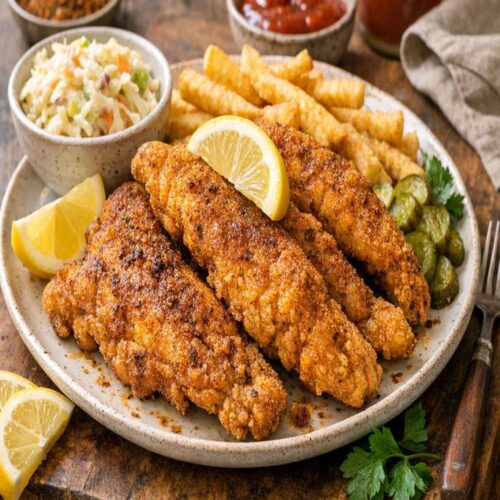
Cajun Fried Catfish Recipe

Ingredients
For the Marinade
- 2 tablespoon fresh lemon juice about 1 medium lemon, adds acidity and freshness
- 3 tablespoon hot sauce such as Tabasco provides heat and vinegar-based tang
- ½ cup yellow mustard adds brightness and tenderizes the fish
- 1 cup buttermilk full-fat provides better flavor and more satisfying texture
For the Fish
- 6 pound catfish fillets about 12 fillets, skin removed and patted dry
For the Crispy Coating
- 2½ cup yellow cornmeal creates that signature golden crunch
- 1 teaspoon garlic powder concentrated garlic flavor without the moisture of fresh
- 2 teaspoon freshly ground black pepper (freshly ground is essential
- 1 tablespoon Cajun seasoning blend the foundation of authentic flavor
- ¼ teaspoon paprika adds color and subtle smoky notes
- 1 cup all-purpose flour provides structure to the coating
- ½ teaspoon cayenne pepper optional but adds extra depth and mild heat
For Frying
- 4 cup vegetable oil or lard for frying (high smoke point is critical
Instructions
Step 1: Prepare and Marinade Your Catfish
- Pat your catfish fillets completely dry with paper towels. Moisture is the enemy of crispiness, so don't skip this step. In a shallow bowl, whisk together your buttermilk, yellow mustard, hot sauce, and fresh lemon juice until smooth and well combined. The mixture should smell bright and slightly spicy. Arrange your dried fillets in a large, shallow dish or zip-top bag and pour the marinade over them, making sure each piece is coated. Cover or seal, then refrigerate for at least 30 minutes but ideally 2-4 hours. This marinade does the work of tenderizing while adding flavor that penetrates the fish, not just sits on top.
Step 2: Create Your Seasoned Coating Mixture
- While your fish marinates, combine your flour, cornmeal, Cajun seasoning, garlic powder, black pepper, cayenne, and paprika in a wide, shallow bowl. Whisk it together thoroughly—you want the spices evenly distributed throughout. This is your secret weapon for that authentic color and flavor. I like to mix the dry ingredients and let them sit for a few minutes so all the flavors meld together slightly. It's a small step, but it makes a difference. Your coating should smell fragrant and inviting, with no lumps from the seasonings clumping together.
Step 3: Heat Your Oil to the Perfect Temperature
- Pour your oil into a large, heavy-bottomed skillet or Dutch oven. You want enough oil so the fillets are at least half-submerged. Place over medium-high heat and let it warm slowly. Use a thermometer—this is non-negotiable. You're aiming for 350°F. If your oil isn't hot enough, the fish will absorb oil and become greasy. Too hot, and the crust will brown before the inside cooks through. While the oil heats, remove your marinated catfish from the refrigerator. Let it sit at room temperature for about 5 minutes so it doesn't cool your oil dramatically when it hits the pan.
Step 4: Coat the Fillets
- Working with one fillet at a time, remove it from the marinade (let excess drip back into the bowl) and dredge it thoroughly in your seasoned cornmeal mixture. Press gently so the coating adheres. Make sure both sides and the edges are covered—this creates that beautiful, crispy exterior that holds in the moisture of the fish. Place each coated fillet on a clean plate or parchment paper. Don't stack them; you want them in a single layer. Let the coated fillets rest for 2-3 minutes so the coating sets slightly. This prevents it from falling off during frying.
Step 5: Fry Until Golden and Crispy
- Once your oil reaches 350°F, carefully place 2-3 fillets into the hot oil. Don't crowd the pan—each fillet needs space to fry evenly and the oil temperature to stay consistent. Fry for 3-4 minutes per side, until the coating is deep golden brown and crispy. The fish inside should flake easily with a fork and be completely opaque. Use tongs or a slotted spatula to gently turn the fillets halfway through cooking. Listen for that gentle sizzle—it should be steady and satisfying, not a loud, violent bubble (that means the oil is too hot). When done, transfer the cooked fillets to a plate lined with paper towels to drain excess oil. Repeat with remaining fillets, bringing the oil back to 350°F between batches. This is important for consistency—if you fry too many at once or let the temperature drop, your results will be uneven.
Step 6: Rest and Serve Immediately
- Let your fried catfish rest on the paper towel-lined plate for about 2 minutes before serving. This allows the exterior to set and any excess oil to be absorbed. The fish will continue to cook slightly from residual heat, and the crust will firm up to that satisfying crunch. Serve immediately while the contrast between that crispy, golden crust and the tender, flaky interior is at its peak. Squeeze fresh lemon over top if desired—the acidity balances the richness of the fried coating beautifully.
Notes
Nutrition
FAQs
Can I use frozen catfish for this recipe?
Absolutely. Thaw frozen fillets overnight in your refrigerator—never at room temperature, which invites bacterial growth. Once thawed, pat completely dry before marinating. Thawed fish actually absorbs marinade faster, so you can reduce marinating time from 2-4 hours to just 45 minutes. The quality and flavor will be nearly identical to fresh fish, especially since we’re marinating.
What if I don’t have a thermometer for oil temperature?
I really do recommend getting one—they’re inexpensive and prevent most fried food disasters. However, if you’re in a pinch, you can test oil by dropping a small pinch of cornmeal into it. If it sizzles immediately and floats to the surface within 2-3 seconds, your oil is approximately at the right temperature. But honestly, invest in a thermometer. Your results will thank you.
My catfish was greasy. What went wrong?
Most likely, your oil temperature was too low. If oil isn’t hot enough, fish absorbs oil instead of frying in it. Always use a thermometer and maintain 350°F. Overcrowding the pan also drops oil temperature. Additionally, make sure you’re using enough oil—at least 4 cups in a large skillet. If oil is too shallow, fillets steam instead of frying.
Can I air fry this instead of pan frying?
Yes! While you won’t get quite the same depth of golden color, air frying works beautifully. Coat your marinated fillets in the seasoned mixture as usual, then spray lightly with cooking spray and air fry at 375°F for 10-12 minutes, flipping halfway through. Check for doneness—the fish should be opaque and flake easily. It’s not traditional, but it’s a great way to reduce oil content while maintaining crispy texture.
How spicy is this recipe, and can I adjust the heat level?
The heat level is moderate—noticeable but not overwhelming. The 3 tablespoons of Tabasco in a 6-pound batch gets distributed across all fillets, so each bite has subtle heat. To make it milder, reduce hot sauce to 1-2 tablespoons and increase lemon juice. For extra spicy, add ½ teaspoon of cayenne pepper to the dry coating mixture and boost Tabasco to 4-5 tablespoons. You can also let each person add hot sauce at the table.
What’s the best way to reheat leftover fried catfish without it getting soggy?
Place leftover fillets on a baking sheet lined with foil and reheat in a 350°F oven for 8-10 minutes. This restores some of the original crispiness without the cooking oils that make microwaving problematic. If you’re reheating just one or two fillets, a toaster oven works even better—faster heating means less time for the crust to absorb moisture from the fish.
More Recipes You’ll Love
- Corn Salsa – Fresh, bright, and the perfect topping for fried catfish or any summer meal
- Buttery Parsley Potatoes – The classic side dish that pairs beautifully with this Cajun preparation
- Trader Joe’s Hash Brown Recipe – A convenient, crispy side that cooks alongside your catfish
- Hot Buttered Rum – For those cooler evenings when you want warmth and comfort alongside this spiced, fried fish
Making this Cajun fried catfish takes me back every single time. It’s the kind of recipe that reminds us why home cooking matters—because when you invest care into each step, when you use quality ingredients, and when you trust the process, you create something that nourishes both body and soul. The crispy, golden crust, the tender flake of perfectly cooked fish, the warmth of those Cajun spices—it’s genuine comfort that also happens to be genuinely good for you. Whether you’re cooking for yourself or feeding your family, this recipe delivers satisfaction with every bite. Enjoy your cooking!!
META DESCRIPTION: Master this Cajun Fried Catfish Recipe with a tangy buttermilk marinade and crispy spiced coating. Perfect for weeknight dinners and meal prep.