 Elaine Gordon
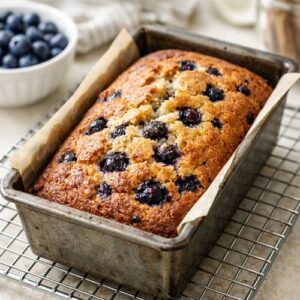
There’s something about a slice of blueberry loaf with afternoon tea or coffee that just feels like a warm hug. This version uses full-fat plain yogurt to create an incredibly moist crumb that stays tender for days—it’s the secret ingredient that elevates this from ordinary to something people actually remember. The bright lemon zest throughout pairs beautifully with tart berries, and the simple glaze on top adds just enough sweetness without being heavy. If you’re looking for other comforting baked goods to round out your kitchen rotation, you might also love our Trader Joe’s Cinnamon Swirl Bread Recipe.
Why I Keep Coming Back to This Blueberry Loaf
I’ll never forget watching my grandmother pull her homemade blueberry loaf from the oven on summer mornings in New Jersey. The kitchen would fill with this sweet, tart aroma, and my siblings and I would crowd around the cooling rack, waiting impatiently for that first slice. What I didn’t understand then—but deeply appreciate now as a registered dietitian—is that she wasn’t just making something delicious. She was using whole ingredients, quality fats, and that tangy yogurt to build something that actually nourished us, not just filled us up.
That loaf inspired this recipe. I’ve refined it over years of testing, and I’ve learned exactly how to balance moisture, texture, and that signature flavor that makes people ask for the recipe before they’ve even finished their first slice.
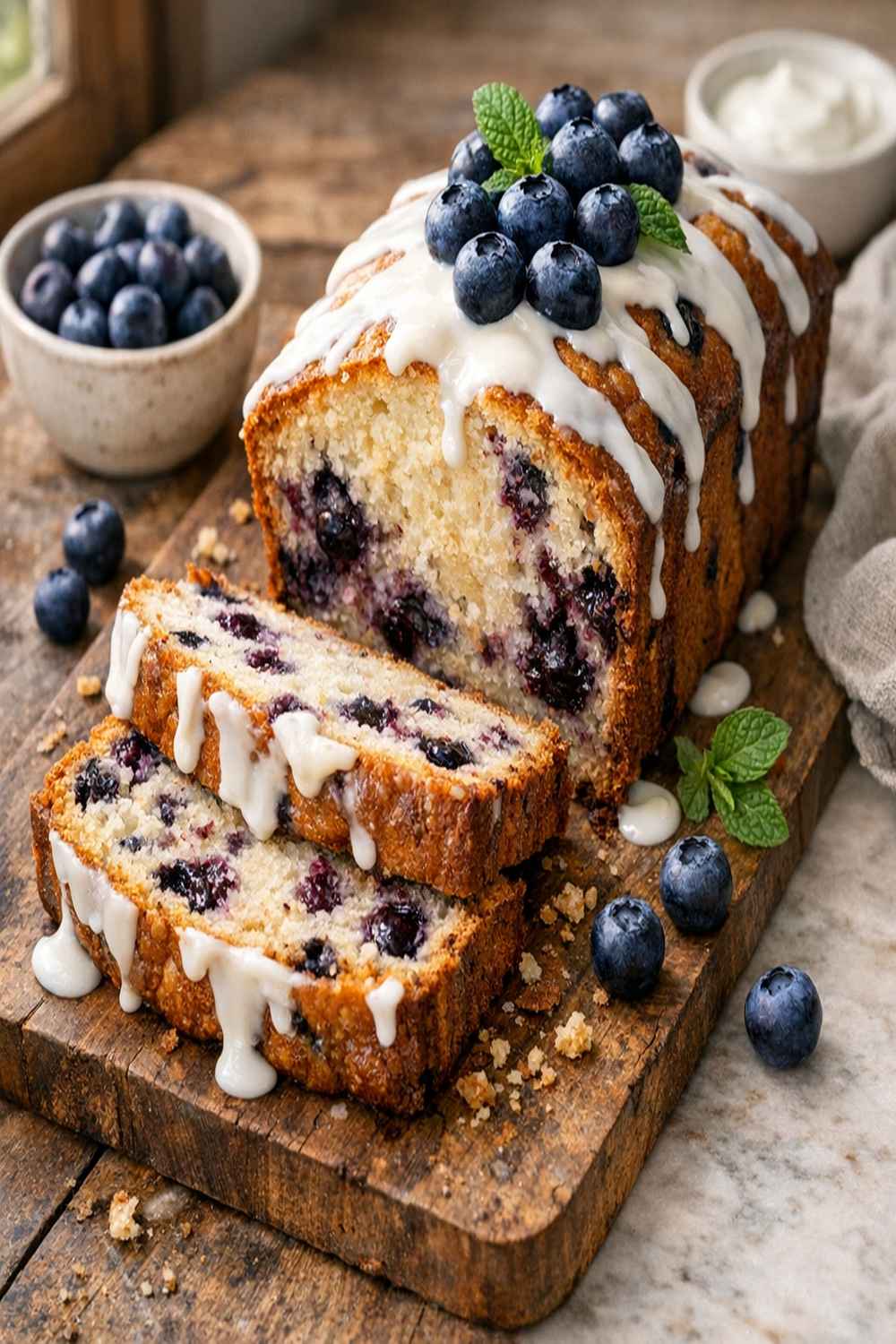
What is Blueberry Loaf With Yogurt?
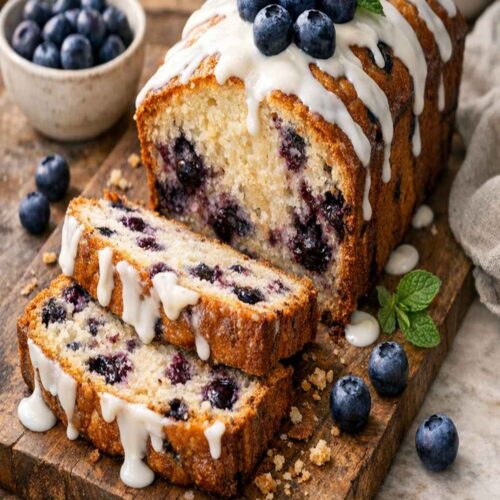
A blueberry yogurt loaf is a tender, moist quick bread where full-fat plain yogurt replaces some of the traditional fat and liquid. The yogurt creates an incredibly soft crumb while adding subtle tanginess that brightens the blueberry flavor. Fresh or frozen blueberries burst throughout, and a simple lemon glaze finishes it off—the citrus playing beautifully against the berries and the slight tang from the yogurt.
This isn’t a cake (though it’s delicious enough to be), and it’s not quite a muffin. It’s that perfect in-between: substantial enough for breakfast with coffee, elegant enough to serve to guests, and packed with enough fiber and protein from the yogurt and eggs to actually keep you satisfied.
Why You’ll Love This Blueberry Loaf With Yogurt Recipe
- Impossibly moist crumb – The full-fat yogurt creates a tender texture that stays fresh for 4-5 days. As a dietitian, I’ve learned that the fat in yogurt isn’t something to fear; it’s what makes baked goods nutritionally balanced and satisfying.
- No special equipment needed – Just one loaf pan, basic mixing bowls, and a whisk. This comes together in about 15 minutes of active work.
- Works with fresh or frozen berries – No need to thaw frozen blueberries. In fact, they often work better because they stay suspended throughout the batter instead of sinking to the bottom.
- Beautiful presentation – The lemon glaze creates a simple, elegant finish. People always think you spent more time than you actually did.
- Naturally protein-rich – Three large eggs plus full-fat yogurt means each slice delivers real staying power, not just empty calories.
- Bright lemon flavor without tartness – The zest adds complexity and aroma without the sharp bite of lemon juice in the batter itself.
The Ingredients
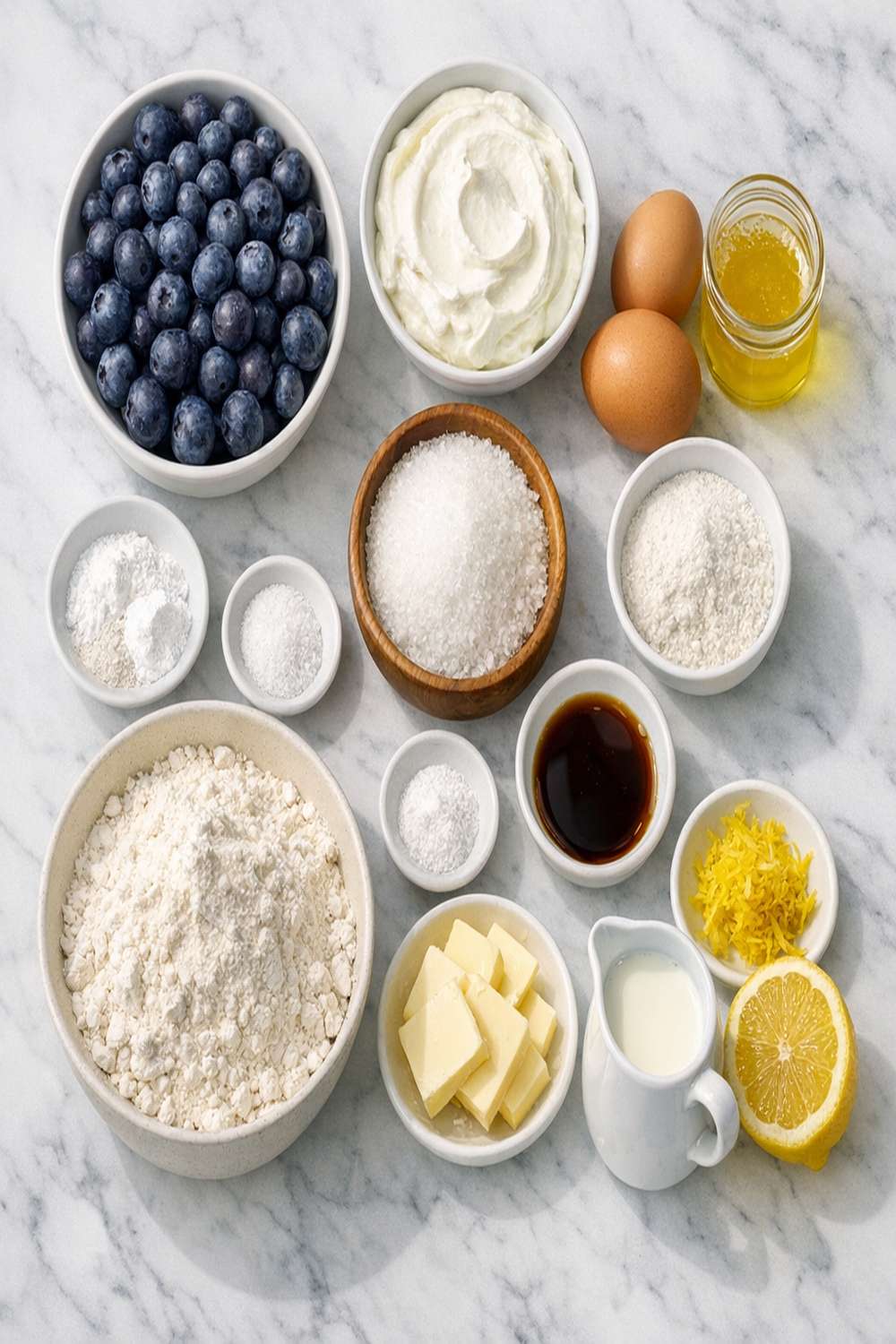
This recipe makes one beautiful loaf (about 10-12 slices). I’m particular about ingredient quality here—full-fat yogurt truly matters, and using fresh lemon zest rather than the bottled version makes a noticeable difference. Let me walk you through each component.
For the Cake
- ½ cup neutral oil such as canola or grapeseed (bring to room temperature)
- 2 teaspoons fresh lemon zest (from 1 large or 2 small lemons)
- 3 large eggs (55-60g each, room temperature for best emulsification)
- ½ teaspoon pure vanilla extract (not imitation)
- 2 teaspoons baking powder (aluminum-free if you have sensitivity)
- 1½ cups fresh or frozen blueberries (no need to thaw frozen berries)
- 2 teaspoons all-purpose flour (for coating berries before folding)
- 1 cup full-fat plain yogurt (Greek or regular, not low-fat or non-fat)
- 1 cup granulated sugar (preferably superfine or caster sugar for tender crumb)
- ¼ teaspoon fine sea salt
- 1¾ cups all-purpose flour (spooned and leveled, never packed)
For the Lemon Glaze
- 2 tablespoons fresh lemon juice (about 1 medium lemon)
- 1½ cups powdered sugar (sifted to remove lumps)
- 1-2 tablespoons whole milk (add gradually until you reach pourable consistency)
How to Make Blueberry Loaf With Yogurt?
This baking process is straightforward and forgiving. The key is not overmixing your dry and wet ingredients—a few lumps in the batter are your friend. They signal you’ve stopped mixing before developing too much gluten, which would make the crumb dense. I always tell people: stir until just combined, then stop.
Step 1: Prepare Your Pan and Preheat the Oven
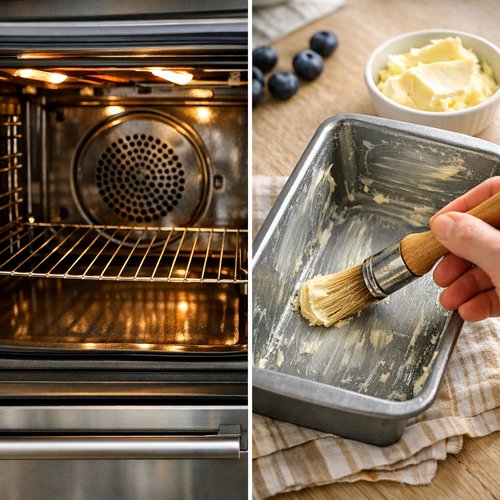
Position your oven rack to the center and preheat to 200°C (390°F), or 180°C (350°F) if using a convection fan. While that heats, butter the inside of a standard loaf pan generously—pay special attention to the corners—and line it with parchment paper, allowing the paper to overhang slightly on the long sides (this makes removal so much easier). Set aside.
Step 2: Coat Your Blueberries
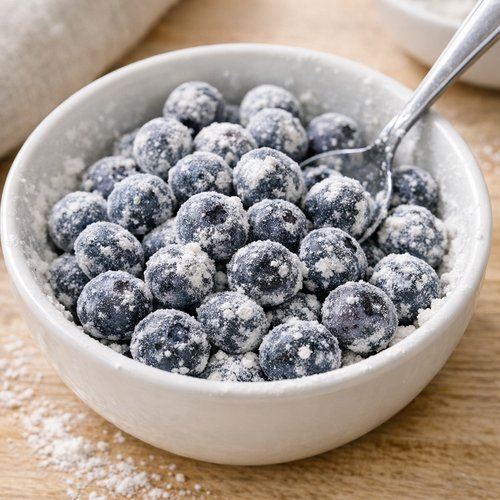
Pour your blueberries into a small bowl and toss them with the 2 teaspoons of flour. This coating prevents them from sinking to the bottom of the loaf. If using frozen berries, they actually coat better than fresh berries because the flour adheres more easily to their surface. Don’t thaw them—the frozen berries will thaw slightly during mixing and distribute more evenly throughout the batter.
Step 3: Whisk Together Dry Ingredients
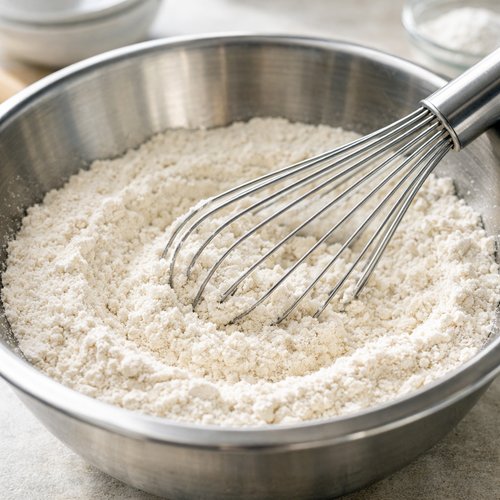
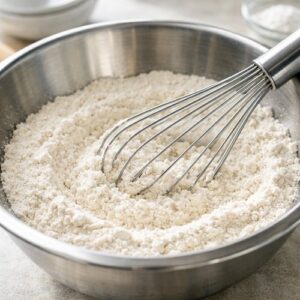
In a large mixing bowl, whisk together the flour, baking powder, and salt. I use a whisk here rather than sifting because I want to incorporate air—it helps create that tender crumb we’re after. This should take about 30 seconds of whisking. Set this bowl aside and don’t clean your whisk; you’ll use it again.
Step 4: Combine Wet Ingredients
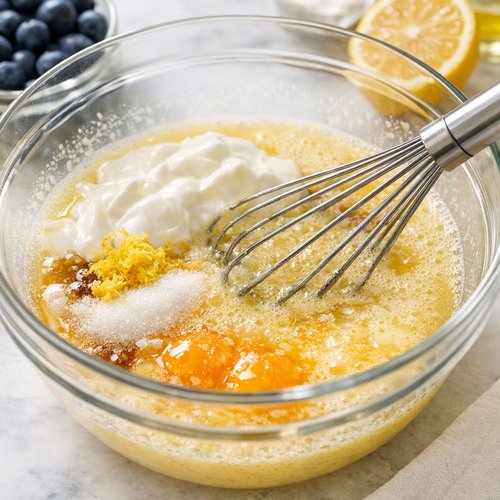
In a separate medium bowl, whisk together the room-temperature eggs, full-fat yogurt, oil, sugar, lemon zest, and vanilla extract. Whisk vigorously for about 1-2 minutes until the mixture is smooth, pale, and slightly thickened. This emulsification is important—it helps incorporate air and ensures even distribution of fat throughout the batter. You should see the mixture become slightly lighter in color.
Step 5: Combine Wet and Dry
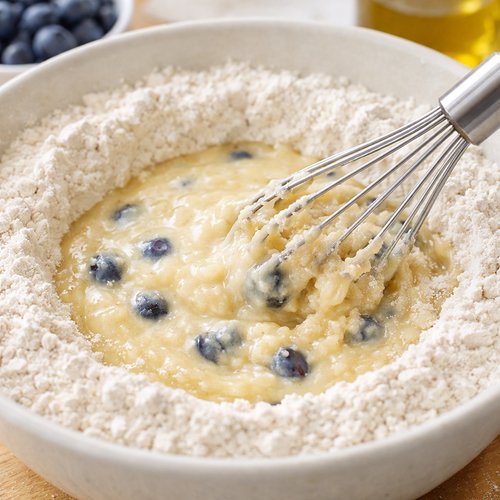
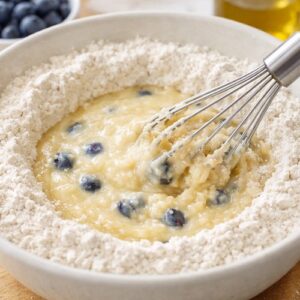
Create a well in the center of your dry ingredients and pour the wet mixture into it. Using your whisk, fold and gently stir until you see just a few streaks of flour remaining—this should take about 10-15 stirs. Stop here. Overmixing develops gluten, which makes the loaf tough and dense. A few small lumps are completely fine and actually desirable.
Step 6: Fold in Blueberries
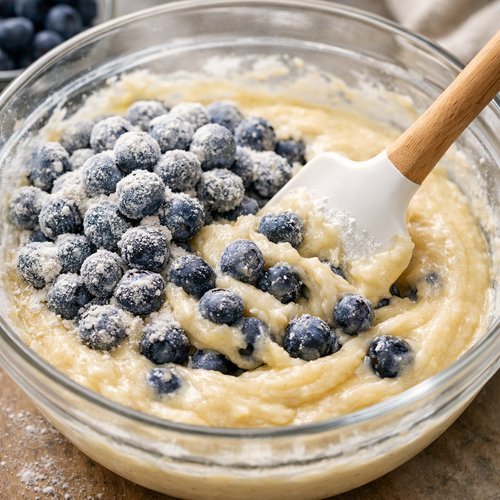
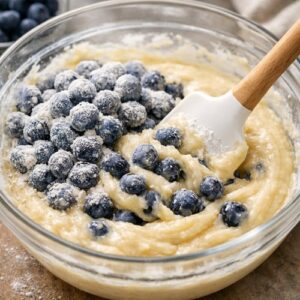
Pour the floured blueberries into the batter, including any residual flour clinging to them. Use a rubber spatula to fold them in gently, making about 4-5 folding motions. You want the berries distributed throughout without crushing them or overworking the batter. Some berries will settle toward the bottom—that’s perfectly normal and creates nice texture variation in each slice.
Step 7: Pour and Bake
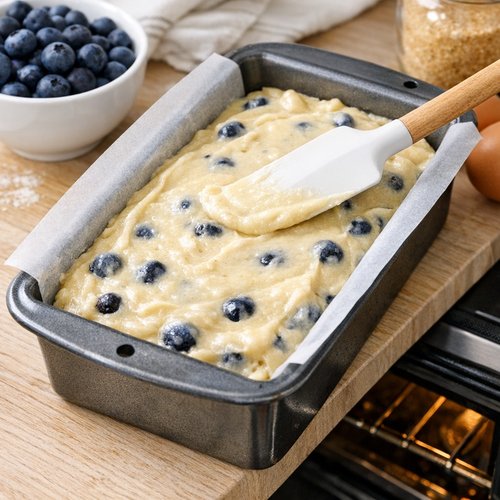
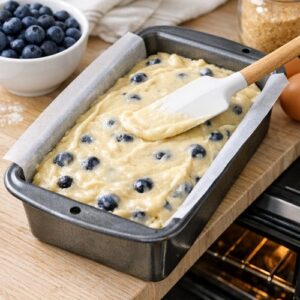
Transfer the batter to your prepared loaf pan, using a spatula to even out the top gently. Place in the preheated oven and bake for 50 minutes. At this point, the top should be pale golden and the loaf should smell incredible. If the top is browning quickly or evenly, cover it loosely with aluminum foil and continue baking.
Bake for another 15-25 minutes. To test for doneness, insert a wooden skewer into the center; it should come out clean or with just a few moist crumbs clinging to it. If it comes out with wet batter, bake another 10 minutes and test again. Total baking time is usually 60-70 minutes, depending on your oven.
Step 8: Cool and Release
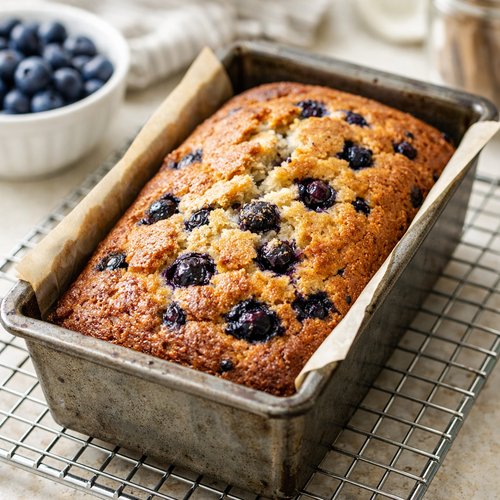
Remove the loaf from the oven and let it rest in the pan for 5 minutes—this gives the crumb time to set slightly so it won’t fall apart when you turn it out. Using the parchment paper overhang, gently lift the loaf onto a wire cooling rack. Let it cool completely—this takes about 1-2 hours. I know it’s tempting to slice warm loaf, but the structure will be stronger and cleaner slices easier once fully cooled.
Step 9: Make the Glaze
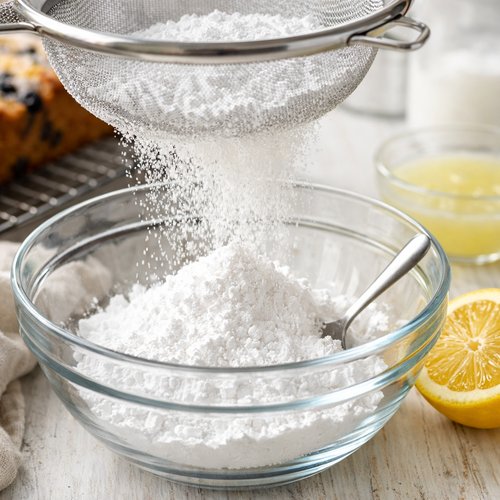
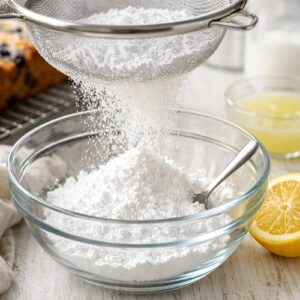
While the loaf cools, prepare the lemon glaze. Sift the powdered sugar into a medium bowl (this removes lumps and prevents a gritty glaze). Add the fresh lemon juice and whisk until smooth. Add milk one tablespoon at a time, whisking well after each addition, until the glaze reaches a consistency just thick enough to drip slowly off a spoon—you want it pourable but not runny. It should coat the back of a spoon but still flow slowly.
Step 10: Glaze and Set
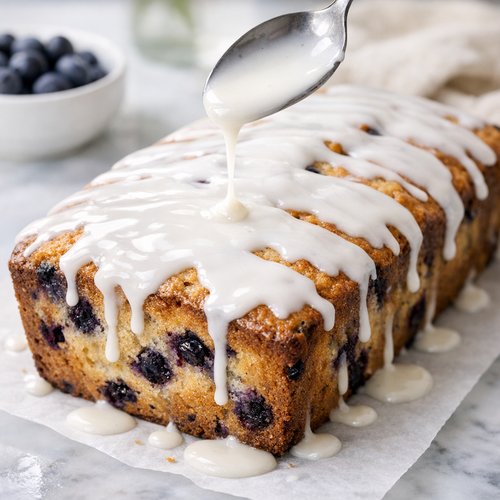
Once the loaf has cooled completely, drizzle the glaze over the top in a thin, even layer. You can let it pool naturally or use the back of a spoon to guide it. Let the glaze set for about 20 minutes at room temperature before slicing. This setting time ensures the glaze firms up slightly and creates a nice texture contrast with the soft crumb beneath.
Expert’s Nutritional Tip
Here’s what I always tell clients: the full-fat yogurt in this loaf isn’t something to avoid—it’s what makes this recipe genuinely nutritious. Full-fat dairy contains fat-soluble vitamins like vitamins A, D, and K2, which your body needs for absorption of blueberries’ anthocyanins (those powerful antioxidants that give blueberries their color). The fat also extends satiety, meaning a slice of this loaf will keep you satisfied longer than a low-fat version. Additionally, the probiotics in plain yogurt support digestive health. This is real food that nourishes your body, not just feeds it.
Tips and Tricks
- Room temperature ingredients are essential – Cold eggs and yogurt won’t emulsify properly with the oil. About 30 minutes on the counter before you start does the trick. Room temperature ingredients mix more smoothly and create better texture.
- Fresh lemon zest over extract – The difference is dramatic. Zest contains the essential oils that make lemon flavor bright and aromatic. Extract is convenient but flat by comparison. Invest in a microplane zester—it’s one of my most-used kitchen tools.
- Don’t skip coating the berries – This single step prevents the berries from all sinking to the bottom. The flour coating acts like a suspension system, keeping berries distributed throughout the loaf.
- Use a loaf pan thermometer if you have one – The center of the loaf should reach 205-210°F. This removes guesswork from doneness testing and ensures your loaf bakes evenly.
- Parchment paper is non-negotiable – It ensures your loaf releases cleanly without sticking. Butter alone isn’t enough.
- Make the glaze with fresh lemon juice – Bottled lemon juice tastes flat and slightly bitter. Fresh juice takes 10 seconds to squeeze and makes a noticeable difference in flavor.
Make-Ahead Guide
Batter Preparation: You can mix the dry ingredients up to 24 hours ahead. Store them in an airtight container at room temperature. Keep the wet ingredients separate and mix them no more than 30 minutes before combining. Once you combine wet and dry, you must bake within 10 minutes—waiting longer allows the baking powder to activate prematurely.
Freezing the Baked Loaf: This is where make-ahead planning shines. Once completely cooled and glazed, wrap the loaf tightly in plastic wrap, then place it in an airtight container or freezer bag. It keeps perfectly for up to 3 months. Thaw at room temperature for about 2-3 hours. The texture remains incredibly moist because the yogurt’s moisture content is preserved during freezing.
Breakfast Prep: Slice the loaf and freeze individual pieces in freezer bags. You can grab a slice in the morning, thaw it at room temperature for 30 minutes, and toast it lightly if desired. It’s genuinely better than day-old bakery loaf.
Common Mistakes to Avoid
- Using low-fat or fat-free yogurt – This creates a dry, dense crumb. Full-fat yogurt’s lipids are what keeps this loaf moist and tender. There’s no acceptable substitute here.
- Overmixing the batter – People want to “make sure everything is incorporated,” but overmixing develops gluten and toughens the crumb. Lumps are fine. Stop mixing while you still see streaks of flour.
- Slicing while warm – I understand the temptation, but warm loaf is still setting internally. Slicing creates crumbly pieces instead of clean slices. Patience here makes a real difference.
- Forgetting to coat the berries – Without the flour coating, frozen berries especially sink during baking, leaving you with most of the flavor in the bottom inch. This simple step distributes them evenly throughout.
Seasonal Variations
Spring & Summer: Use fresh blueberries at peak season—they’re brighter and more flavorful. Add a tablespoon of fresh mint zest along with the lemon zest for a subtle spring twist. The glaze stays exactly the same.
Fall & Winter: Combine frozen blueberries with 1 tablespoon of finely minced fresh ginger added to the wet ingredients. This adds warmth and spice that feels seasonal. You might also reduce the lemon juice in the glaze to 1 tablespoon and add 1 tablespoon of fresh cranberry juice for deeper color and slightly tart flavor.
Year-Round Flavor Builds: Once you master the base recipe, try adding ½ teaspoon of cardamom (magical with blueberries), or substitute half of the all-purpose flour with whole wheat pastry flour (adds nuttiness without making it dense). These additions still keep the loaf moist and tender.
Can I Store Blueberry Loaf With Yogurt?
Room Temperature (countertop): Store in an airtight container or wrapped well in plastic wrap for up to 5 days. The yogurt’s moisture keeps the crumb tender throughout this entire period. The glaze may soften slightly in humid conditions, but flavor remains excellent.
Refrigerator: Not necessary unless your kitchen is very warm. Refrigeration can actually dry out quick breads slightly, though in airtight containers it keeps for up to 7 days.
Freezer: This is genuinely the best storage method. Wrap the cooled, glazed loaf in plastic wrap, then place in a freezer bag, pressing out as much air as possible. Label with the date. Keeps perfectly for up to 3 months. Thaw at room temperature for 2-3 hours—no need to unwrap during thawing; the condensation keeps it moist.
Individual Slices: Slice, wrap each piece in plastic wrap, then place in a freezer bag. Thaw at room temperature for 30-45 minutes or toast directly from frozen on a low toaster setting.
Nutrition Information
Based on USDA nutritional data, one slice (assuming 10-12 slices per loaf) of this blueberry yogurt loaf provides approximately 280 calories, 12g fat, 38g carbohydrates, 4.5g protein, and 1g dietary fiber. The full-fat yogurt and eggs contribute to the protein and fat, while the blueberries add fiber and antioxidants including anthocyanins and resveratrol. The lemon zest adds negligible calories but provides vitamin C and flavor compounds. This is genuinely a more balanced quick bread than many recipes because of the egg and yogurt components—it’s not pure refined carbohydrates.
For a registered dietitian’s perspective: one slice pairs beautifully with a protein-rich breakfast (yogurt, cottage cheese, or nuts) or as an afternoon snack with tea or coffee. The moderate fat and protein content means blood sugar spikes are gentler than with traditional cake-style quick breads. It’s not a health food, but it’s an honest one.
What Can I Serve With Blueberry Loaf With Yogurt?
This loaf is genuinely versatile. It works as breakfast with strong coffee, as an afternoon snack with tea, and even as a simple dessert with vanilla ice cream or whipped cream. Here are my favorite pairings:
- With tea or coffee – The classic pairing. The lemon glaze’s slight tartness and sweetness complement both black and herbal teas beautifully.
- With whipped cream and fresh berries – Elevates it to dessert territory. Serve slightly warm for the most indulgent experience.
- As a breakfast toast – Slice, toast lightly, and spread with butter or cream cheese. This works wonderfully because the glaze becomes slightly sticky when toasted, creating amazing texture.
- With Greek yogurt – A simple pairing that adds protein. The yogurt mirrors the ingredient in the loaf itself.
- Alongside breakfast eggs – Yes, sweet and savory together. The yogurt loaf’s richness balances perfectly with eggs and greens.
For other bread and baked good ideas that work beautifully alongside this loaf, you might explore our my go-to banana bread as another tender quick bread option.
Substitutes
- Buttermilk for yogurt – Use a 3:1 ratio (¾ cup buttermilk to replace 1 cup yogurt). The loaf will be slightly less moist because buttermilk has less fat, so add 2 extra tablespoons of oil. The tang will be more pronounced, which many people love.
- Sour cream for yogurt – This works beautifully. Use the same amount (1 cup) but reduce baking powder to 1½ teaspoons since sour cream is more acidic.
- Frozen blueberries only – Absolutely fine. No need to thaw. If anything, frozen berries perform better because they distribute more evenly and create pockets of berry flavor throughout.
- Lemon extract for fresh zest – If you don’t have fresh lemons, use ½ teaspoon of pure lemon extract (not imitation) added to the wet ingredients. The flavor will be more one-dimensional, but acceptable.
- Whole wheat pastry flour – Substitute up to half of the all-purpose flour. The loaf will be slightly nuttier and denser but still tender. Using more than half whole wheat makes it too dense with this recipe.
- Honey for granulated sugar – This is an interesting variation. Reduce honey to ¾ cup (honey is sweeter than sugar) and reduce the milk in the glaze by 1 tablespoon. The crumb will be slightly moister and have different flavor—more caramel-like.
Blueberry Loaf With Yogurt Recipe

Ingredients
For the Cake
- ½ cup neutral oil such as canola or grapeseed bring to room temperature
- 2 teaspoon fresh lemon zest from 1 large or 2 small lemons
- 3 large eggs 55-60g each, room temperature for best emulsification
- ½ teaspoon pure vanilla extract not imitation
- 2 teaspoon baking powder aluminum-free if you have sensitivity
- 1½ cup fresh or frozen blueberries no need to thaw frozen berries
- 2 teaspoon all-purpose flour for coating berries before folding
- 1 cup full-fat plain yogurt Greek or regular, not low-fat or non-fat
- 1 cup granulated sugar preferably superfine or caster sugar for tender crumb
- ¼ teaspoon fine sea salt
- 1¾ cup all-purpose flour spooned and leveled, never packed
For the Lemon Glaze
- 2 tablespoon fresh lemon juice about 1 medium lemon
- 1½ cup powdered sugar sifted to remove lumps
- 1-2 tablespoon whole milk add gradually until you reach pourable consistency
Instructions
Step 1: Prepare Your Pan and Preheat the Oven
- Position your oven rack to the center and preheat to 200°C (390°F), or 180°C (350°F) if using a convection fan. While that heats, butter the inside of a standard loaf pan generously—pay special attention to the corners—and line it with parchment paper, allowing the paper to overhang slightly on the long sides (this makes removal so much easier). Set aside.

Step 2: Coat Your Blueberries
- Pour your blueberries into a small bowl and toss them with the 2 teaspoons of flour. This coating prevents them from sinking to the bottom of the loaf. If using frozen berries, they actually coat better than fresh berries because the flour adheres more easily to their surface. Don't thaw them—the frozen berries will thaw slightly during mixing and distribute more evenly throughout the batter.

Step 3: Whisk Together Dry Ingredients
- In a large mixing bowl, whisk together the flour, baking powder, and salt. I use a whisk here rather than sifting because I want to incorporate air—it helps create that tender crumb we're after. This should take about 30 seconds of whisking. Set this bowl aside and don't clean your whisk; you'll use it again.
Step 4: Combine Wet Ingredients
- In a separate medium bowl, whisk together the room-temperature eggs, full-fat yogurt, oil, sugar, lemon zest, and vanilla extract. Whisk vigorously for about 1-2 minutes until the mixture is smooth, pale, and slightly thickened. This emulsification is important—it helps incorporate air and ensures even distribution of fat throughout the batter. You should see the mixture become slightly lighter in color.

Step 5: Combine Wet and Dry
- Create a well in the center of your dry ingredients and pour the wet mixture into it. Using your whisk, fold and gently stir until you see just a few streaks of flour remaining—this should take about 10-15 stirs. Stop here. Overmixing develops gluten, which makes the loaf tough and dense. A few small lumps are completely fine and actually desirable.
Step 6: Fold in Blueberries
- Pour the floured blueberries into the batter, including any residual flour clinging to them. Use a rubber spatula to fold them in gently, making about 4-5 folding motions. You want the berries distributed throughout without crushing them or overworking the batter. Some berries will settle toward the bottom—that's perfectly normal and creates nice texture variation in each slice.
Step 7: Pour and Bake
- Transfer the batter to your prepared loaf pan, using a spatula to even out the top gently. Place in the preheated oven and bake for 50 minutes. At this point, the top should be pale golden and the loaf should smell incredible. If the top is browning quickly or evenly, cover it loosely with aluminum foil and continue baking. Bake for another 15-25 minutes. To test for doneness, insert a wooden skewer into the center; it should come out clean or with just a few moist crumbs clinging to it. If it comes out with wet batter, bake another 10 minutes and test again. Total baking time is usually 60-70 minutes, depending on your oven.
Step 8: Cool and Release
- Remove the loaf from the oven and let it rest in the pan for 5 minutes—this gives the crumb time to set slightly so it won't fall apart when you turn it out. Using the parchment paper overhang, gently lift the loaf onto a wire cooling rack. Let it cool completely—this takes about 1-2 hours. I know it's tempting to slice warm loaf, but the structure will be stronger and cleaner slices easier once fully cooled.
Step 9: Make the Glaze
- While the loaf cools, prepare the lemon glaze. Sift the powdered sugar into a medium bowl (this removes lumps and prevents a gritty glaze). Add the fresh lemon juice and whisk until smooth. Add milk one tablespoon at a time, whisking well after each addition, until the glaze reaches a consistency just thick enough to drip slowly off a spoon—you want it pourable but not runny. It should coat the back of a spoon but still flow slowly.
Step 10: Glaze and Set
- Once the loaf has cooled completely, drizzle the glaze over the top in a thin, even layer. You can let it pool naturally or use the back of a spoon to guide it. Let the glaze set for about 20 minutes at room temperature before slicing. This setting time ensures the glaze firms up slightly and creates a nice texture contrast with the soft crumb beneath.

Notes
Nutrition
FAQs
Can I use fresh blueberries instead of frozen?
Absolutely. Fresh blueberries work beautifully and often taste brighter. The main difference is that frozen blueberries stay more suspended throughout the loaf, while fresh berries (which are slightly heavier) may sink toward the bottom. The flour coating helps counteract this with both types. If using fresh, pat them completely dry before coating with flour—any moisture on the surface prevents the flour from adhering properly.
Why did my loaf sink in the middle?
This usually indicates underbaking. The center was still setting when you removed it from the oven, so it collapsed as it cooled. Check your oven temperature with an oven thermometer—many ovens run cooler than their displays indicate. Also, resist opening the oven door during the first 45 minutes of baking. Each time you open it, heat escapes and the loaf’s structure weakens.
Can I make this in a muffin tin instead of a loaf pan?
Yes! Fill muffin cups about two-thirds full. Bake at the same temperature but for only 20-25 minutes—check with a toothpick starting at 18 minutes. You’ll get about 10-12 muffins. The texture will be slightly different (muffins have more crust), but the flavor is identical. The glaze works well drizzled over warm muffins too.
My glaze is too thick. How do I fix it?
Add milk just one teaspoon at a time, whisking well after each addition. It thickens slightly as it sits, so if your glaze is already applied and it’s hardening, that’s actually perfect—it means you used the right consistency. If it’s just too thick to drizzle before application, thin it with milk. If it’s already set and too thick, warm it gently over very low heat, stirring constantly, and it will thin slightly.
Can I use vanilla yogurt instead of plain?
I wouldn’t recommend it. Vanilla yogurt contains added sugar and vanilla flavoring that will throw off the balance of this recipe. The added sugar makes the loaf overly sweet, and the vanilla competes with the lemon flavor. Plain yogurt is essential for flavor balance and moisture control. If you don’t have plain, Greek yogurt works because it’s also unsweetened, though it’s tangier and thicker (still wonderful).
How do I know if my loaf is truly done?
The skewer test is reliable: insert a wooden toothpick into the thickest part of the loaf. It should come out completely clean or with just a few moist crumbs clinging to it. If batter is wet and clinging, it needs more time. If you have an instant-read thermometer, the center should register 205-210°F. I also trust my senses: the top should be golden brown, and the loaf should smell deeply fragrant—almost dessert-like. If it still smells raw and floury, it needs more time.
More Recipes You’ll Love
- Trader Joe’s Banana Bread Recipe – Another tender, moist quick bread that freezes beautifully and works for breakfast or dessert
- this simple cake – If you love fruit-based desserts, this is an effortless alternative that’s equally satisfying
- Trader Joe’s Cocoa Powder Hot Chocolate Recipe – The perfect pairing beverage for serving alongside fresh-sliced blueberry loaf
This blueberry loaf with yogurt has become my most-requested recipe over the years—not because it’s complicated, but because it’s that rare combination of genuinely easy and genuinely delicious. The secret is really in respecting the ingredients. Full-fat yogurt isn’t an afterthought; it’s the foundation of moisture. Fresh lemon zest isn’t optional; it’s what makes people close their eyes and ask for the recipe. Simple technique—don’t overmix—is what creates that tender crumb. Start with good ingredients, follow the steps without shortcuts, and let the oven do its magic. You’ll end up with something warm, comforting, and delicious that tastes like home. Enjoy your cooking!!